Furniture floor protectors for tile floors
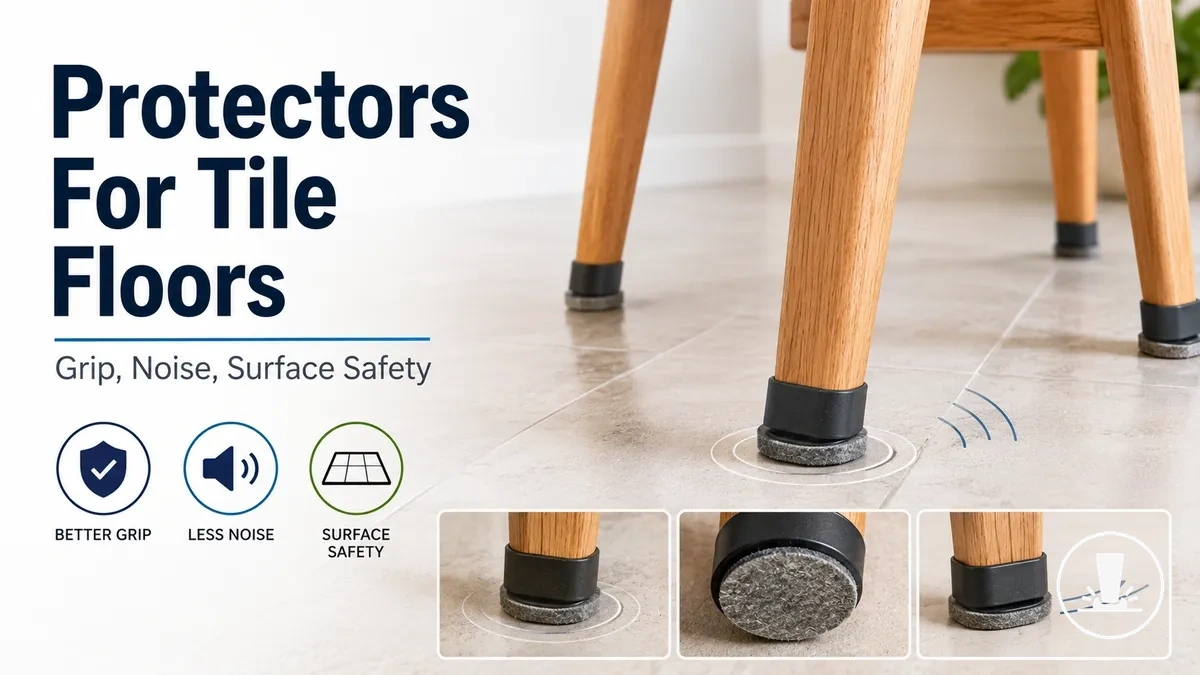
Furniture floor protectors for tile floors depend on tile smoothness, furniture movement, contact material, and protector fit. Tile floors often need grip control and noise control as much as surface protection because hard, smooth surfaces can allow furniture legs to slide during movement. Compatibility is usually determined by how the protector interacts with both the floor and the furniture leg.
Tile-floor compatibility can vary by surface condition. Smooth tile floors may require greater grip, while textured surfaces or uneven grout lines can affect contact and attachment performance. Furniture leg shape, contact area, pressure, and repeated movement can influence slipping, scraping, and noise outcomes.
furniture floor protectors for tile floors are typically evaluated by contact material, attachment method, and fit. A secure attachment may improve staying on during repeated movement, while a poor fit can increase movement, scraping, noise, or attachment failure. The suitability of a protector depends on how well it matches the furniture legs and the floor conditions.
- Tile smoothness: Smoother surfaces may increase the need for grip-focused contact materials.
- Furniture leg fit: Better fit can improve attachment stability and movement control.
- Repeated movement: Frequent movement can place more stress on the attachment method.
- Contact material: Material choice can affect grip, noise, scraping potential, and residue risk.
- Contact area and pressure: Leg shape and weight distribution can influence protector performance.
The key decision is whether the protector provides the right balance of grip, movement control, and surface protection for the specific tile floor and furniture setup. Compatibility depends on tile smoothness, furniture leg characteristics, and attachment stability rather than on any permanent solution or universal material choice.
How tile floors change furniture protector compatibility
How tile floors change furniture protector compatibility is defined by how a hard tile surface affects contact, movement, and pressure beneath furniture. Tile floors are hard and can transfer sound more directly than softer surfaces. Compatibility depends on tile smoothness, grout lines, chair legs, movement frequency, and how floor protectors maintain contact with the tile surface.
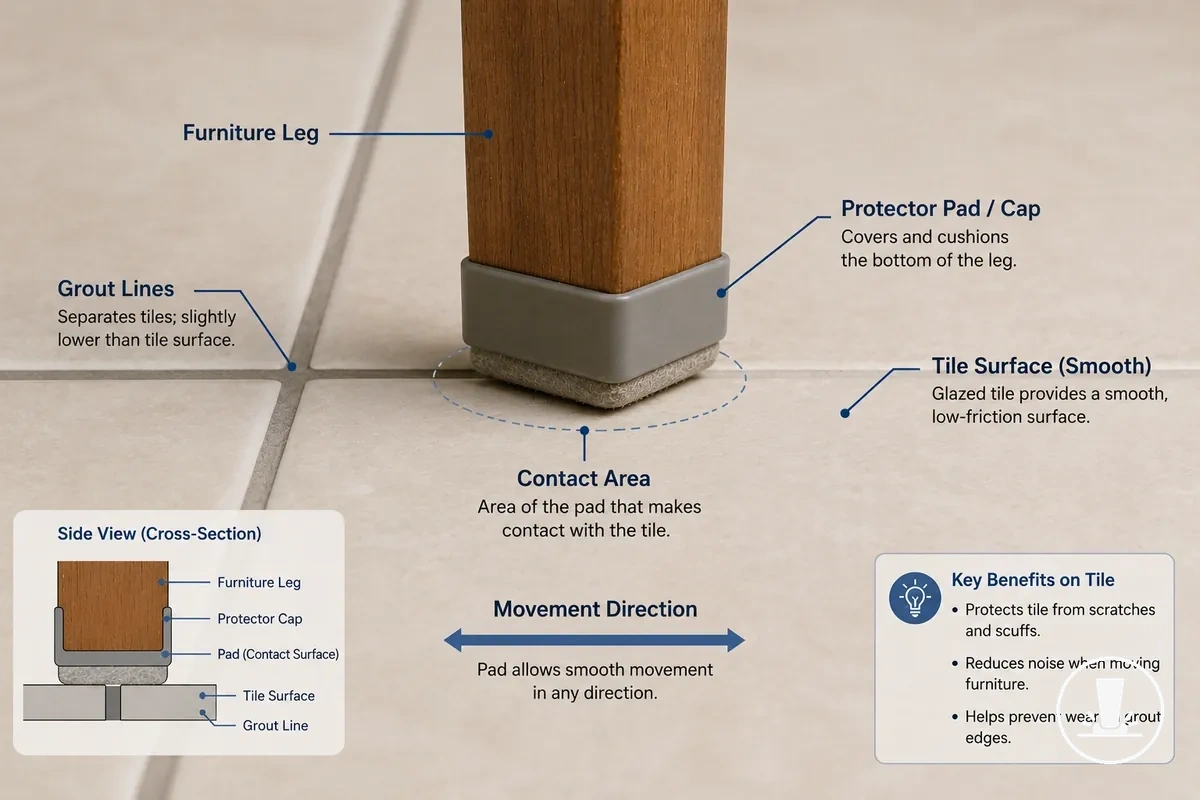
How tile floors change furniture protector compatibility becomes clearer when tile attributes are viewed as performance factors. The image below highlights how smoothness, grout interruptions, chair-leg pressure, and movement frequency can influence grip, pad movement, scraping potential, and noise.
| Condition | Key attribute | Effect or risk | Decision cue |
|---|---|---|---|
| Smooth tile | Lower friction | May increase grip loss or pad movement | Evaluate attachment stability and contact area |
| Textured tile | Irregular surface contact | May affect movement and noise transfer | Check contact consistency across the tile surface |
| Uneven grout lines | Interrupted contact path | May increase scraping or uneven pressure | Assess chair-leg shape and pressure distribution |
| Dirty tile surface | Reduced contact quality | May affect grip and pad stability | Consider cleanliness before evaluating performance |
Tile floors can change protector behavior because hardness, smooth tile finishes, grout lines, and cleanliness influence how force is transferred under chair legs. Glossy tile may create lower-friction conditions, while textured tile may create less uniform contact. When grout lines are pronounced, floor protectors may experience uneven contact that can affect grip, scraping, pad movement, or noise outcomes.
The key boundary to retain is that tile-floor compatibility depends on tile-surface attributes before specific protector materials are considered. Hardness, smoothness, grout lines, cleanliness, movement frequency, and chair-leg pressure can all influence how floor protectors perform, so compatibility should be assessed within the actual tile-floor environment rather than assumed across different tile conditions.
Tile-safe protector materials and contact surfaces
Tile-safe protector materials and contact surfaces are evaluated by how the floor-facing layer behaves on tile during contact and movement. Compatibility depends on grip, compression, residue risk, and movement style rather than on material popularity alone. The contact surface often has a greater influence on tile performance than the material name by itself.
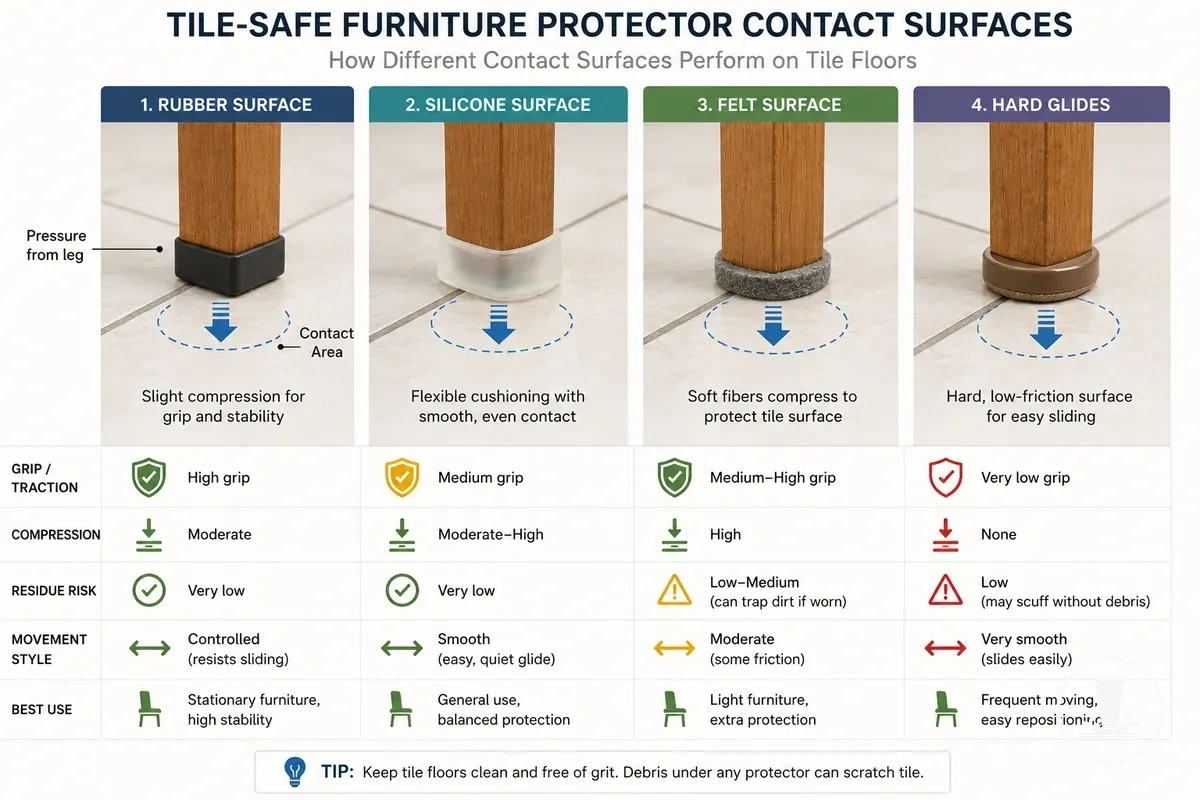
Tile-safe contact depends on how the material interacts with friction, pressure, and floor contact conditions. The comparison below highlights how different contact surfaces may influence grip, noise, scraping, residue, and stability outcomes on tile floors.
| Option or condition | Key attribute | Effect or risk | Decision cue |
|---|---|---|---|
| Rubber contact surface | Higher friction | May improve grip but can increase residue risk on certain tile finishes | Consider when movement control is the priority |
| Silicone contact surface | Flexible bottom layer | May balance grip and stability depending on floor contact | Evaluate attachment and movement frequency |
| Felt pads | Compressible contact surface | May reduce noise but can allow more sliding on smooth tile | Consider when movement is frequent |
| Hard glides | Low compression | May increase movement and sound transfer on tile floors | Assess stability requirements |
Material behavior can change when tile smoothness, furniture weight, and movement frequency vary. Felt may compress differently under pressure, while rubber and silicone can create different grip conditions depending on contact texture and tile finish. The bottom layer, attachment quality, and floor contact consistency can influence stability, scraping potential, and residue outcomes.
The most useful distinction is often between grip-focused materials and movement-friendly contact surfaces rather than between material names alone. Readers exploring materials for furniture floor protectors can compare contact texture, compression, and residue considerations to determine which contact surface is more suitable for a specific tile-floor environment.
Rubber pads for grip on smooth tile
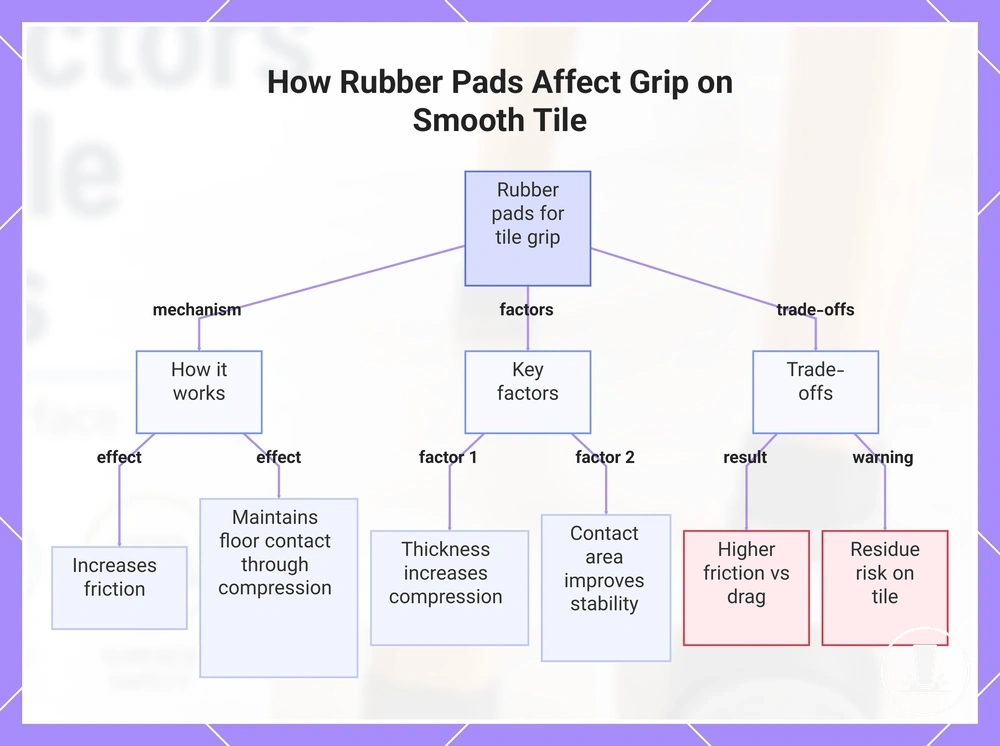
Rubber pads can help improve grip on smooth tile by increasing friction and maintaining floor contact through compression. On glossy or low-friction tile surfaces, rubber may reduce sliding when the pad remains clean and evenly supported. Performance depends on tile finish, furniture pressure, pad thickness, and attachment quality.
- Rubber thickness: Greater thickness may increase compression and help maintain more consistent floor contact under load.
- Tackiness: A tackier rubber surface may improve grip but can also create more drag during repositioning.
- Contact area: A larger contact area may improve stability when chair legs move across smooth tile.
- Cleanliness: Dust or debris can reduce grip and change how rubber interacts with the tile surface.
Rubber pads are often considered when reduced sliding is the primary goal, but outcomes vary by tile finish, furniture weight, and use conditions. Higher friction may improve stability, while increased drag can make movement less smooth. Rubber can also present a residue risk on certain tile finishes because prolonged contact and surface conditions may affect how the material interacts with the floor over time.
This chart shows how rubber pads improve grip on smooth tile, the key factors influencing performance, and the trade-offs including drag and residue risk.
Silicone chair leg caps with felt bottoms
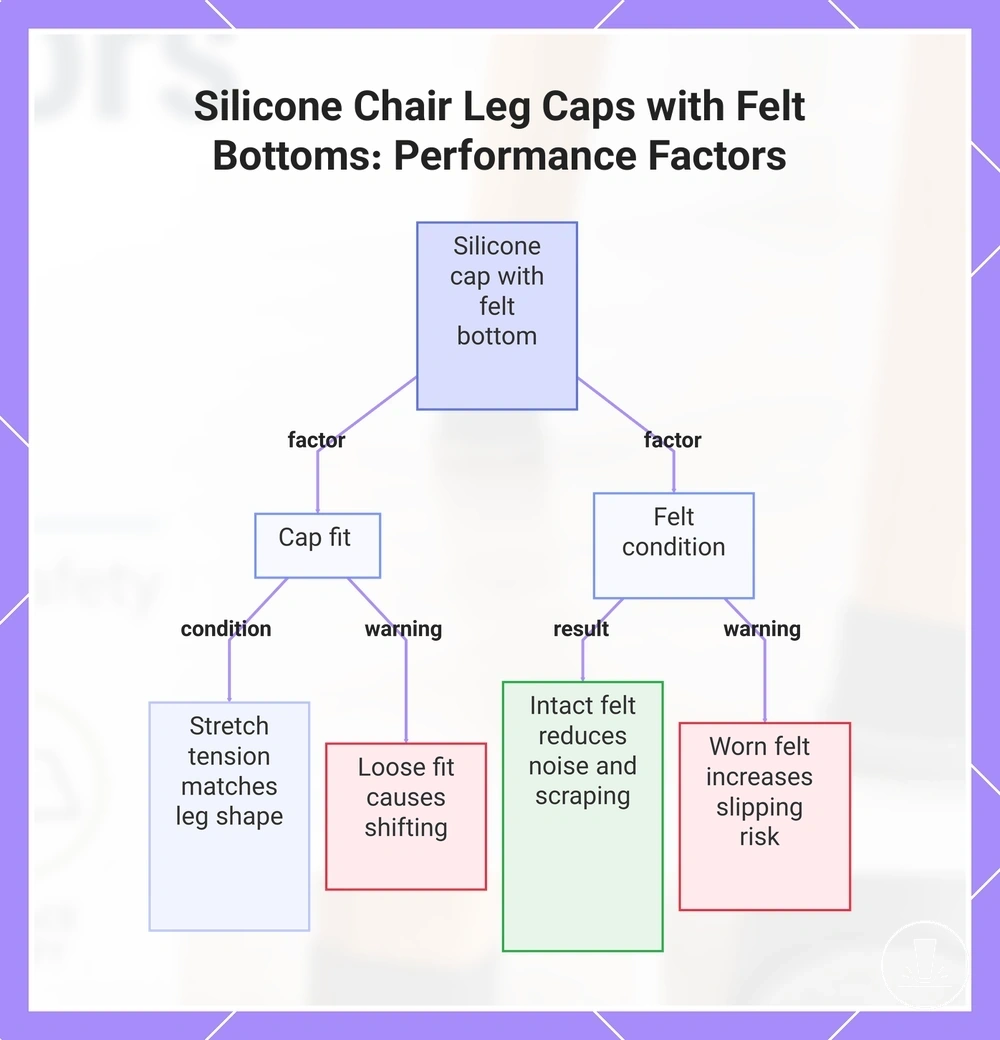
Silicone chair leg caps with felt bottoms combine a fitted silicone cap with a felt contact layer for tile floors. The silicone portion helps hold the cap on the chair leg, while the felt bottom interacts with the tile surface during movement. Performance depends on both cap fit and felt condition rather than on either component alone.
Fit and bottom material must work together for consistent tile-floor performance.
- Leg fit: Silicone caps may stay on more reliably when stretch tension matches the chair-leg shape.
- Felt bottom layer: Felt can help reduce noise and limit scraping when the contact surface remains intact.
- Wear condition: Worn felt may increase slipping risk or reduce movement control on smooth tile.
- Floor contact: Uneven contact can affect grip, stability, and floor movement behavior.
Silicone chair leg caps with felt bottoms are often evaluated by the interaction between cap retention and felt performance. If the silicone fit becomes loose, the cap may shift during use. If the felt layer becomes compressed or worn, noise reduction and scraping control may change. Compared with rubber contact surfaces that rely more on friction, felt bottoms typically depend more on wear condition and contact quality. Tile compatibility therefore depends on stretch tension, felt condition, cleanliness, and furniture use patterns.
This chart shows how cap fit and felt condition determine the performance of silicone chair leg caps with felt bottoms on tile floors.
Felt pads and hard glides on tile floors
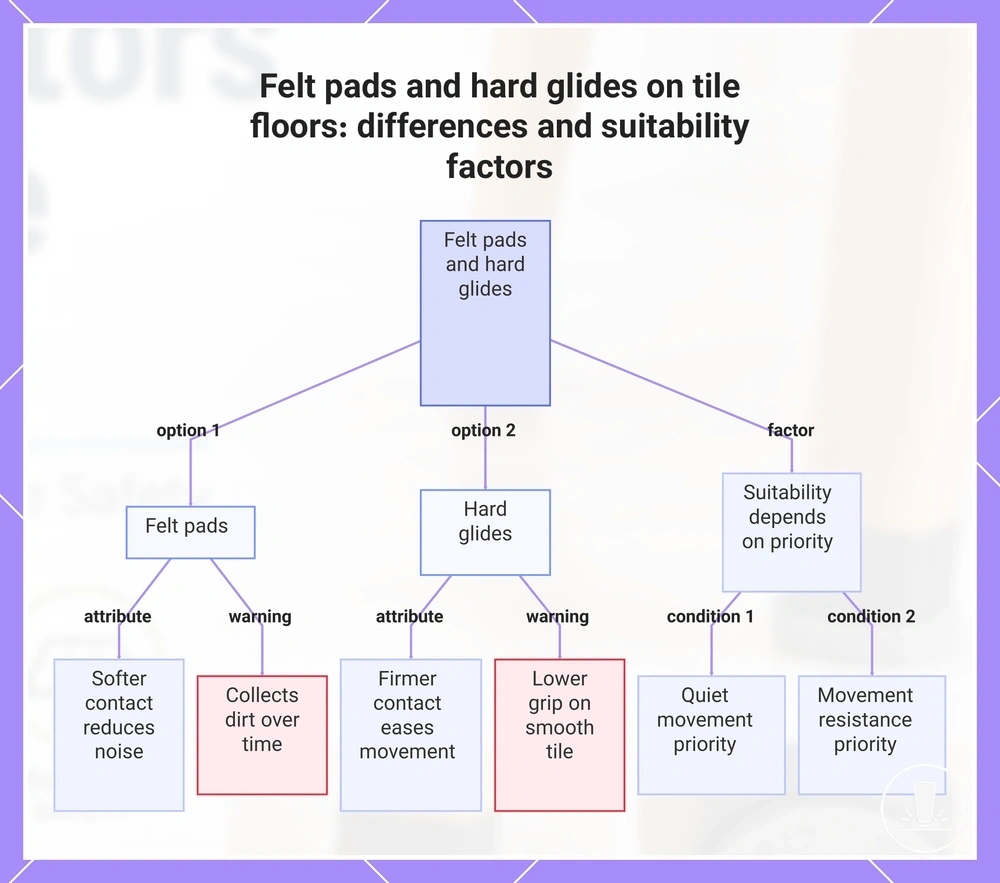
Felt pads and hard glides are typically used for movement characteristics rather than for maximum grip on tile floors. Felt provides a softer contact surface that may help reduce noise during movement, while hard glides create a firmer floor contact that can allow furniture to move more easily. Their suitability depends on whether quiet movement or movement resistance is the higher priority.
The difference between quiet movement and anti-slip performance is important when evaluating these contact layers.
- Felt pads: The felt contact surface may help reduce noise and limit scraping when the felt bottom remains clean and intact.
- Hard glides: The harder contact layer may allow easier movement but can provide lower grip on smooth tile.
- Dirt pickup: Felt can collect dirt or grit over time, which may affect movement behavior depending on floor cleanliness and use.
- Movement behavior: Felt and glides may allow more sliding than rubber-based grip-focused options.
Felt pads and hard glides fit tile-floor decisions when easier movement or quieter operation is preferred over higher grip. Felt may help reduce noise through a softer contact texture, while glides may reduce movement effort through a harder contact surface. When furniture needs to remain more stable in place, lower-grip contact layers can increase sliding potential, especially on smooth tile surfaces. Silicone caps with felt bottoms may rely more on fit and compression, while felt pads and glides are more directly influenced by contact-layer condition and floor cleanliness.
This chart shows the main differences between felt pads and hard glides on tile floors, including their benefits, risks, and how the choice depends on priority (quiet movement vs. movement resistance).
Fit conditions that affect slipping, scraping, and noise
Compatibility on tile floors depends on how well furniture legs, protector fit, and attachment methods work together during use. A protector that matches the furniture leg and maintains stable attachment may provide better grip and movement control, while poor fit can increase slipping, scraping, noise, or staying-on problems. Tile smoothness, contact area, and repeated movement can influence these outcomes.
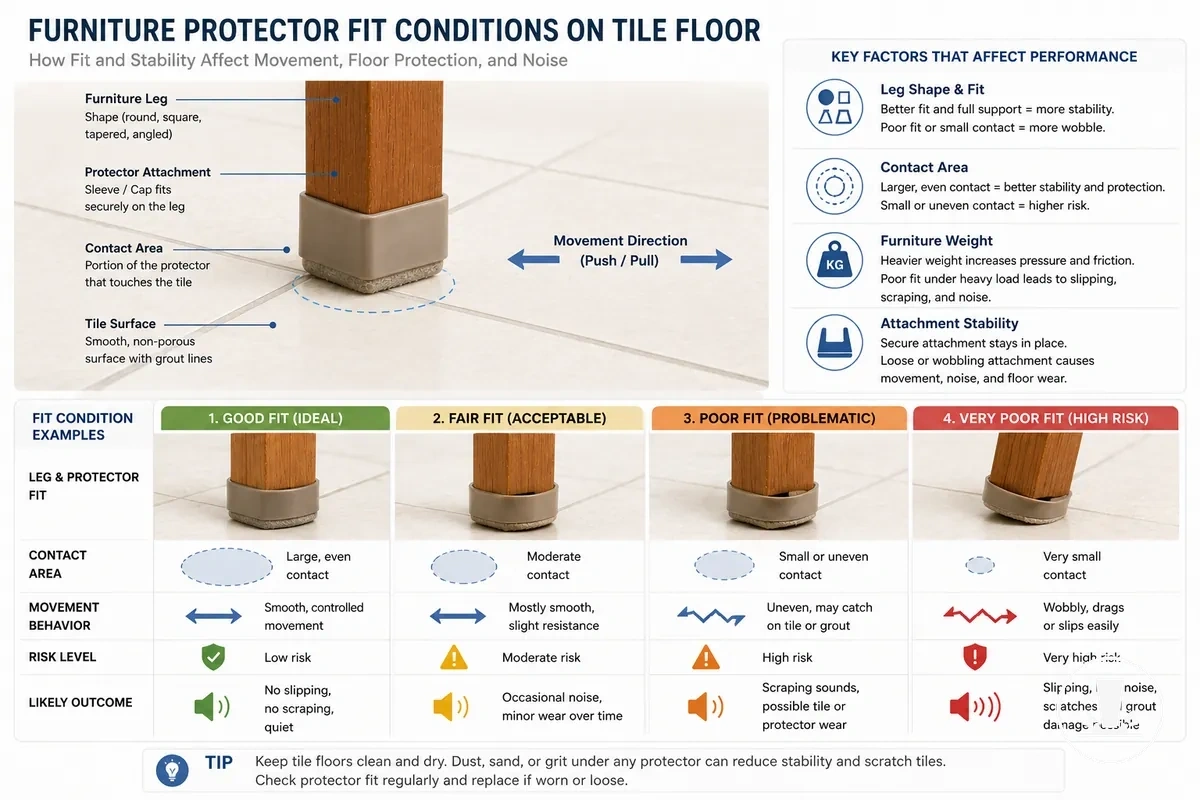
Fit conditions connect furniture legs to tile-floor performance. Furniture leg shape, contact area, weight, and movement frequency affect how pressure reaches the contact surface. If leg contact is uneven or attachment becomes loose, compatibility may decrease and movement-related issues can become more noticeable.
- Furniture leg shape: Fit may change when protector dimensions and leg shape do not align closely.
- Contact area: More even floor contact can improve stability and movement control.
- Furniture weight: Pressure may affect grip, compression, and wear patterns.
- Movement frequency: Repeated movement can increase attachment stress and contribute to failure over time.
- Attachment method: Attachment stability can influence grip, scraping, noise, and staying-on performance.
Decision signals can help separate material mismatch, poor fit, and repeated-movement problems. Lower grip on smooth tile floors may indicate a compatibility issue between the contact surface and the floor. Scraping may occur when fit, contact area, or attachment stability changes during movement, while noise can relate to contact texture, floor condition, or wear. Readers comparing attachment methods for floor protectors should consider how attachment stability interacts with repeated movement and furniture-leg fit. The key point is that compatibility depends on the combined effect of fit, attachment, furniture-leg characteristics, and tile-floor conditions rather than on a single factor.
Chair leg shape and contact area
Chair leg shape and contact area affect how pressure is distributed across a protector on tile floors. A larger contact area may spread pressure more evenly and support stability, while a smaller contact area can concentrate pressure and make protector performance more sensitive to fit. Compatibility often depends on how chair leg shape, diameter, width, and cap fit interact with the floor contact surface.
Chair leg shape can change how pad coverage and pressure behave during movement. Round legs may depend more on matching diameter and cap fit, while square legs may depend on edge profile and coverage consistency. Angled legs can create uneven pressure when floor contact is not centered, and narrow legs may concentrate pressure into a smaller contact area. These conditions may influence protector stability, pad coverage, and sliding risk depending on furniture weight and tile-floor conditions.
- Round legs: Diameter may influence cap fit and contact stability.
- Square legs: Edge profile can affect pad coverage and pressure distribution.
- Angled legs: Uneven contact may increase pressure concentration and sliding risk.
- Narrow legs: Smaller contact area may place more pressure on the protector surface.
The key consideration is whether chair leg shape and contact area allow consistent floor contact during normal use. When diameter, width, edge profile, and pad coverage do not align well, pressure may become uneven and stability can decrease. Evaluating shape-related fit conditions is often more useful than relying on a universal measurement approach.
Attachment strength during repeated chair movement
Compatibility on tile floors depends on whether the attachment remains secure during repeated chair movement. Repeated movement can place stress on furniture legs, protector fit, and floor contact. When attachment strength decreases, protectors may shift, contribute to slipping, increase scraping risk, or create additional noise during use.
Repeated movement tests adhesive strength, cap tension, and edge contact over time.
- Adhesive strength: Adhesive-backed protectors may lose stability if surface cleanliness, leg contact, or movement conditions reduce attachment quality.
- Slip-on tension: Caps may stay on more reliably when tension matches the furniture leg shape and fit.
- Surface cleanliness: Dirt or residue can affect attachment quality, grip, and movement control.
- Movement frequency: Frequent chair movement may increase shifting, folding, or attachment failure over time.
- Edge contact: Uneven contact can place additional stress on attachment points during movement.
The key consideration is whether the attachment remains stable under the normal movement pattern of the chair. If protectors repeatedly shift, fold, or fall off, the issue may relate to attachment strength rather than grip alone. Readers comparing attachment methods for floor protectors should consider how repeated movement on tile floors can affect staying on, movement control, and long-term suitability.
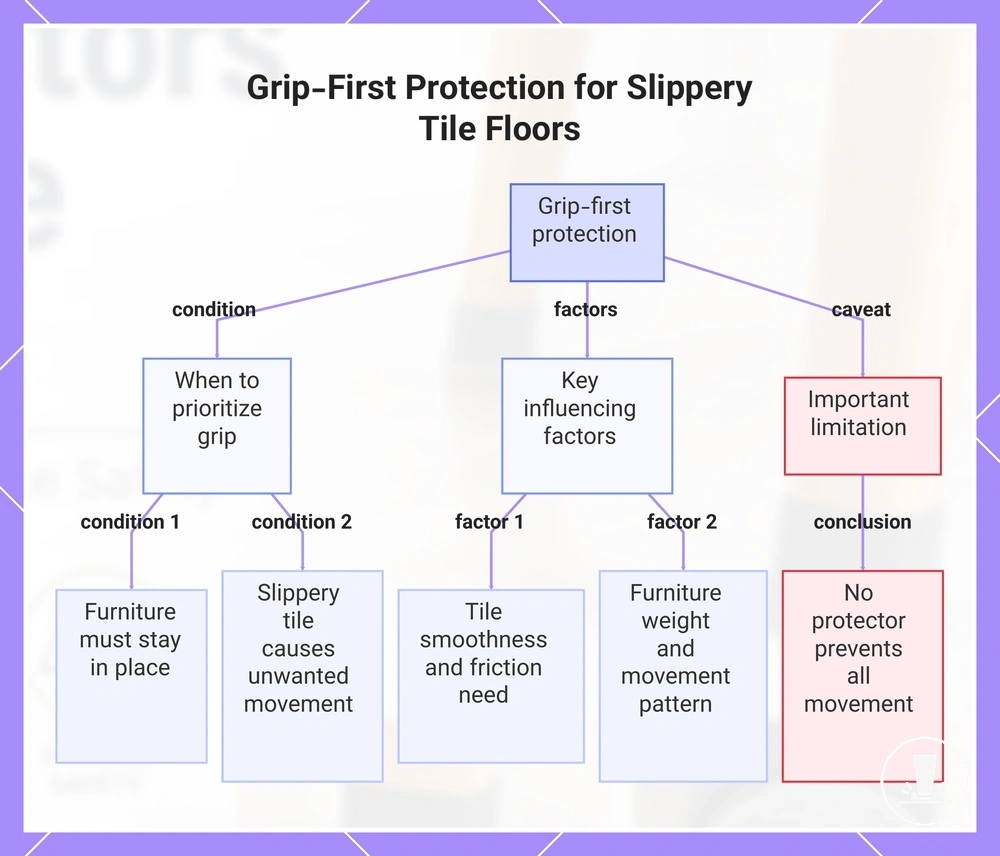
Grip-first protection for slippery tile floors
Grip-first protection depends on how much friction is needed to control movement on slippery tile floors. When furniture must stay in place, grip may deserve higher priority than scratch cushioning or movement-friendly sliding. The right balance depends on tile smoothness, furniture weight, contact area, and how often the furniture is moved.
Slippery tile requires a grip-first decision rather than a scratch-only decision. A polished tile surface may increase slip risk when furniture legs have limited friction or a small contact area. Heavier furniture may benefit from stable leg contact and consistent friction, while lighter furniture can be more sensitive to movement when tile surfaces are smooth.
- Tile smoothness: Smoother tile may require greater friction to improve stay-put stability.
- Furniture weight: Weight can influence stability and how friction behaves during movement.
- Contact area: Larger contact area may help distribute pressure and support grip.
- Movement need: Furniture that moves frequently may require a balance between grip and controlled movement.
- Protector friction: Higher-friction contact surfaces may reduce slip risk, while sliders and glides often favor easier movement.
Grip-first protection is usually most relevant when slippery tile floors create unwanted movement. Chairs on polished tile may need more movement control, while heavier furniture may place greater emphasis on stay-put stability. The key boundary is that friction can help improve grip under the right conditions, but no protector should be assumed to prevent movement across every tile surface.
This chart explains when grip-first protection is needed for furniture on slippery tile floors, the key factors that influence the decision, and an important limitation.
Stopping chairs and sofas from sliding on tile
Stopping chairs and sofas from sliding on tile starts with checking grip, contact area, and a clean contact surface. Unwanted movement often depends on furniture weight, foot shape, protector friction, and tile condition. When grip is limited or contact is uneven, sliding may continue even when a protector is present.
Use the following checks to reduce movement while keeping the focus on tile-floor conditions and furniture contact.
- Check the tile surface: If dust, grit, or residue is present, clean the contact surface first because grip may change when debris sits between the furniture foot and the tile.
- Check furniture weight: If chairs or lighter furniture move easily, assess whether the available friction is sufficient for the expected level of movement.
- Check foot shape and contact area: If the furniture foot has uneven or angled contact, inspect whether the contact area is reduced because limited contact can affect grip.
- Check protector friction: If movement continues, determine whether the contact surface favors stay-in-place grip or movement-friendly sliding, since glides and other low-friction surfaces may allow continued movement.
- Check protector fit: If protectors shift during use, confirm that contact remains stable because poor fit can reduce grip and contribute to sliding.
Chairs and sofas on tile may respond differently depending on furniture weight, tile finish, and contact conditions. A non-slip pad or a higher-friction contact surface may help reduce movement when grip is the main concern, but polished tile, limited contact area, or poor fit can still influence the outcome. The key point is that reducing movement depends on the combined effect of a clean contact surface, protector friction, and stable furniture contact rather than a permanent fix.
When sliders and glides are not the right tile-floor choice
Sliders and glides depend on whether easier movement or greater stability is the priority on tile floors. These movement-friendly protectors typically reduce friction to make furniture movement easier, but that same low-friction behavior may provide less grip on slippery tile. When stability is the main goal, sliders and glides may not be the most suitable choice.
Movement-friendly protectors and grip-first protectors solve different jobs.
- Sliders: A low-friction contact surface may help furniture move more easily, but it can reduce stay-put stability on slippery tile.
- Glides: A harder contact surface may support smoother movement, but it may provide less grip when movement control is needed.
- Tile condition: Dust, grit, or uneven contact may affect friction and can increase scraping risk under certain tile conditions.
- Furniture goal: Sliders and glides may remain useful when easier movement is preferred over maximum stability.
The key decision is whether the furniture should move easily or remain more stable in place. If grip is the priority, a higher-friction contact surface may be more appropriate. If movement is the priority, sliders or glides may be suitable, but the outcome can depend on tile finish, furniture weight, contact area, and slip risk.
Noise and scraping control for chairs on tile
Noise and scraping control for chairs on tile depends on contact material, movement force, and chair leg shape. Noise, scraping, and sliding are separate outcomes even though they can occur together. A contact material that helps reduce sound may not provide the same level of grip or movement control on tile.
Chair legs can create different results depending on contact softness, movement frequency, bottom cleanliness, and pressure. Softer contact material may reduce noise transfer, while grit trapped underneath can increase scraping and surface marks. Pressure, tile finish, and repeated movement can also influence vibration, drag, and sliding behavior.
| Option or condition | Key attribute | Effect or risk | Decision cue |
|---|---|---|---|
| Soft contact material | Contact softness | May reduce noise but can change movement control | Consider when quieter movement is preferred |
| Dirty bottom surface | Grit buildup | May increase scraping and surface marks | Check cleanliness regularly |
| Frequent movement | Repeated contact | May increase vibration, drag, or wear | Monitor contact condition |
| Higher pressure | Concentrated force | May affect noise and scraping outcomes | Assess chair leg stability |
The key distinction is between quiet movement, scraping control, and slip prevention. A softer contact material may help reduce sound, while stronger grip may support movement control on slippery tile. Readers seeking broader noise and sliding protection context can compare how contact conditions, pressure, and cleanliness influence tile-floor outcomes without assuming exact protection from surface marks.
Reducing chair movement noise
Reducing chair movement noise starts with maintaining consistent contact between the chair leg and the tile surface. Chair movement noise may decrease when the bottom material cushions repeated contact and fit security keeps the protector stable during use. Continued movement noise can occur when the bottom layer shifts, compresses unevenly, or allows chair drag across the tile.
The most useful checks focus on repeated movement, contact stability, and floor cleanliness.
- Bottom material: A softer bottom material may reduce sound transfer by softening contact with the tile during movement.
- Pad thickness: Greater pad thickness may help lower movement noise when pressure remains evenly distributed across the bottom layer.
- Fit security: A secure fit may reduce movement noise because loose protectors can move independently of the chair leg.
- Cleanliness: Grit and debris can change contact conditions and may increase noise during repeated chair movement.
The key consideration is whether the bottom material remains stable throughout repeated chair movement. If fit security is weak or cleanliness is overlooked, noise may continue even when pad thickness appears adequate. Noise reduction therefore depends on the combined effect of bottom material, fit security, pad thickness, and floor cleanliness.
Reducing scraping without increasing slip risk
Reducing scraping without increasing slip risk depends on maintaining enough friction for stability while limiting harsh contact with the tile surface. Scraping control still requires grip because a contact layer that becomes too movement-friendly may increase movement on slippery tile. The balance depends on friction, contact area, furniture weight, and movement conditions.
Use the following checklist to evaluate scraping control and slip risk together.
- Contact layer softness: A softer contact layer may reduce scraping when floor contact remains stable, but results can vary by tile finish and friction level.
- Edge coverage: More even edge coverage may help reduce scraping when the contact area remains consistent during movement.
- Dirt pickup: Grit trapped under the contact surface may increase scraping and can change movement behavior during repeated use.
- Friction level: Enough friction may support grip and stay-put stability, while very low friction can increase slip risk on slippery tile.
- Sliders and glides: These movement-friendly options may reduce drag, but they can involve a stability trade-off when controlled movement is preferred.
The key decision is whether the protector provides enough friction for controlled movement while limiting scraping. A softer contact surface is not automatically the safest choice because slip risk, residue risk, and stability can change with tile condition, cleanliness, contact area, and furniture weight. Evaluating scraping control and grip together is usually more useful than focusing on either factor alone.
Choosing tile-floor protectors by furniture use case
Choosing tile-floor protectors by furniture use case depends on whether grip, quiet movement, or surface safety is the main priority. The right match can vary by furniture type, movement frequency, tile condition, weight, and leg shape. A protector style that supports one goal may involve trade-offs in movement control, noise, or stability.
Furniture use patterns often guide the selection decision. Frequent movement may place greater emphasis on controlled movement and consistent contact area, while furniture that remains in place may place greater emphasis on grip and stability. Tile condition can also influence how friction, noise, and movement behavior interact during use.
| Option or condition | Key attribute | Effect or risk | Decision cue |
|---|---|---|---|
| Frequently moved chairs | High movement frequency | More wear and movement noise | Consider a protector style that balances quiet movement and control |
| Heavier furniture | Higher weight | Greater pressure on contact area | Prioritize stability and consistent grip |
| Narrow or angled legs | Smaller contact area | Less even pressure distribution | Check fit and contact coverage carefully |
| Slippery tile condition | Lower surface friction | Higher slip risk | Favor protector styles that may provide more grip |
| Quiet-use spaces | Noise sensitivity | Movement noise may be more noticeable | Consider a style that may reduce sound transfer |
The decision should match furniture type, movement frequency, tile condition, and the desired balance between grip, quiet movement, and surface safety. No single protector style suits every use case because stability, contact area, furniture weight, and tile condition can change the outcome. Evaluating trade-offs before choosing a protector is usually more useful than relying on a universal preference.
For broader selection context, compare these tile-floor decisions with other furniture floor protectors categories and how their use cases may differ.
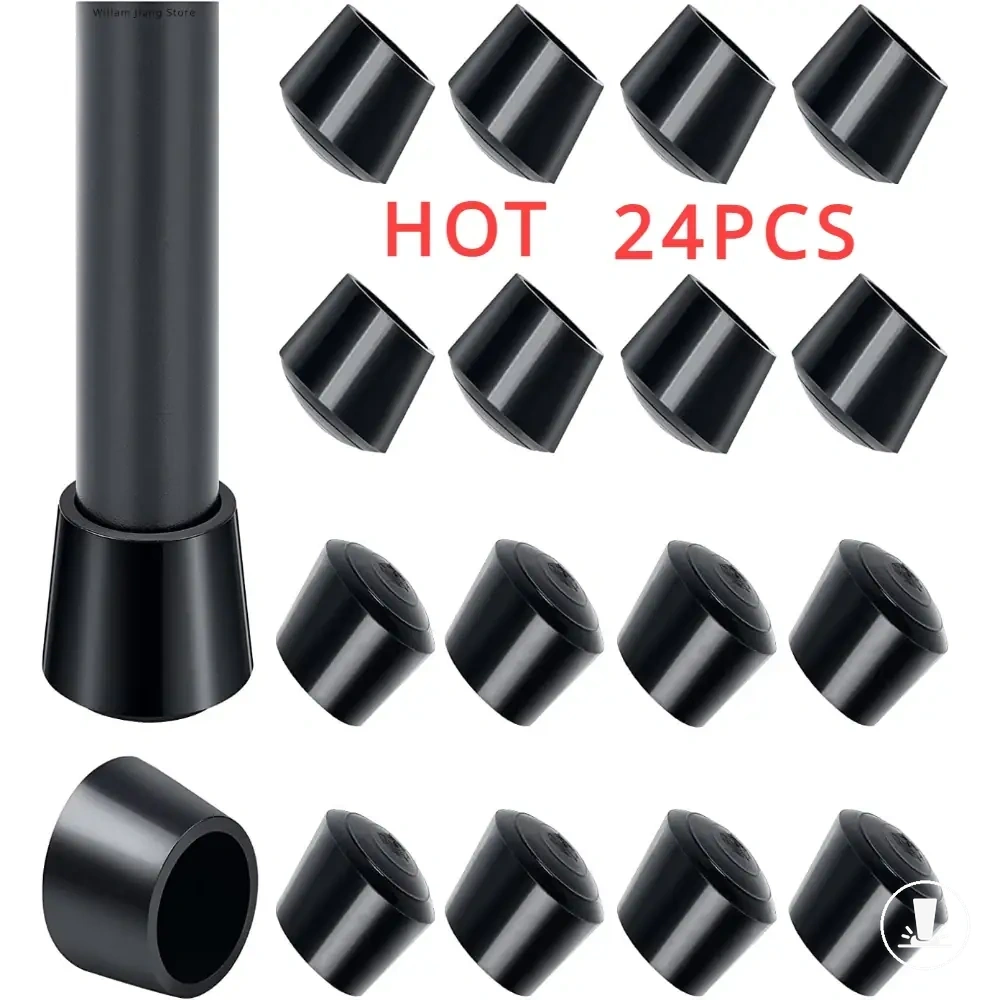
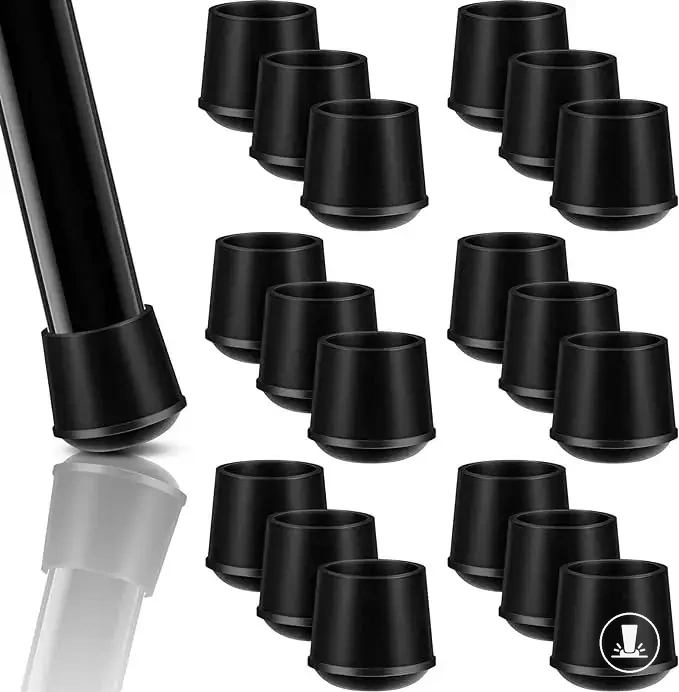
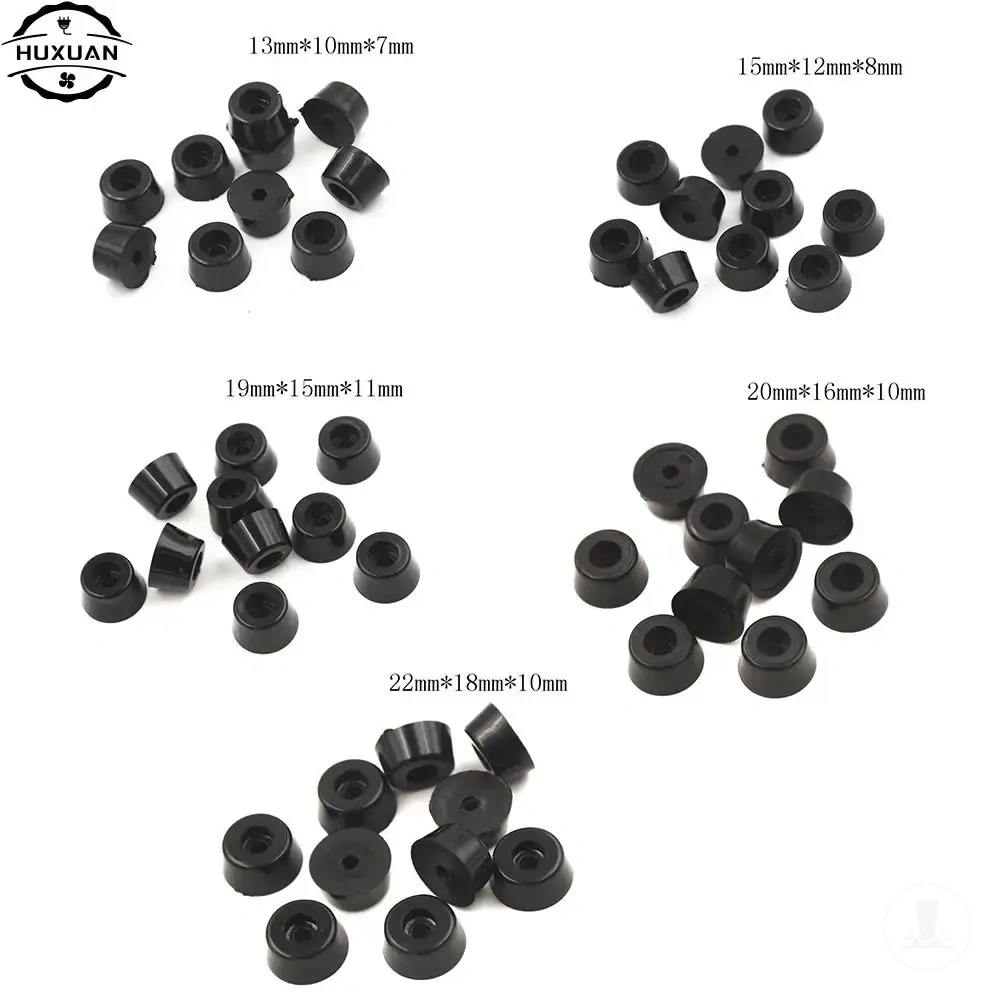
The products below are useful examples for comparing available options. Before buying, check that the compatibility criteria, key features, and product details match your needs.
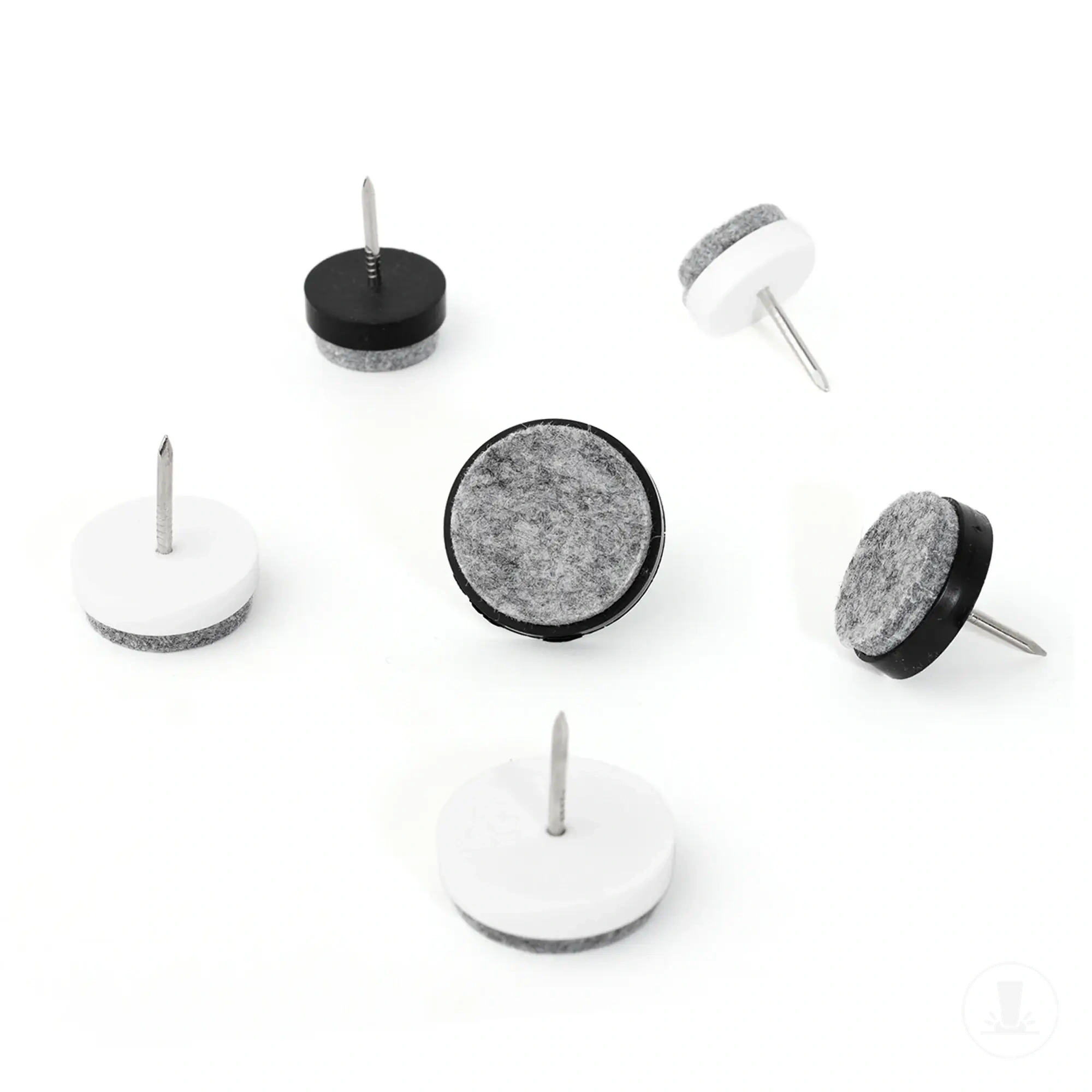
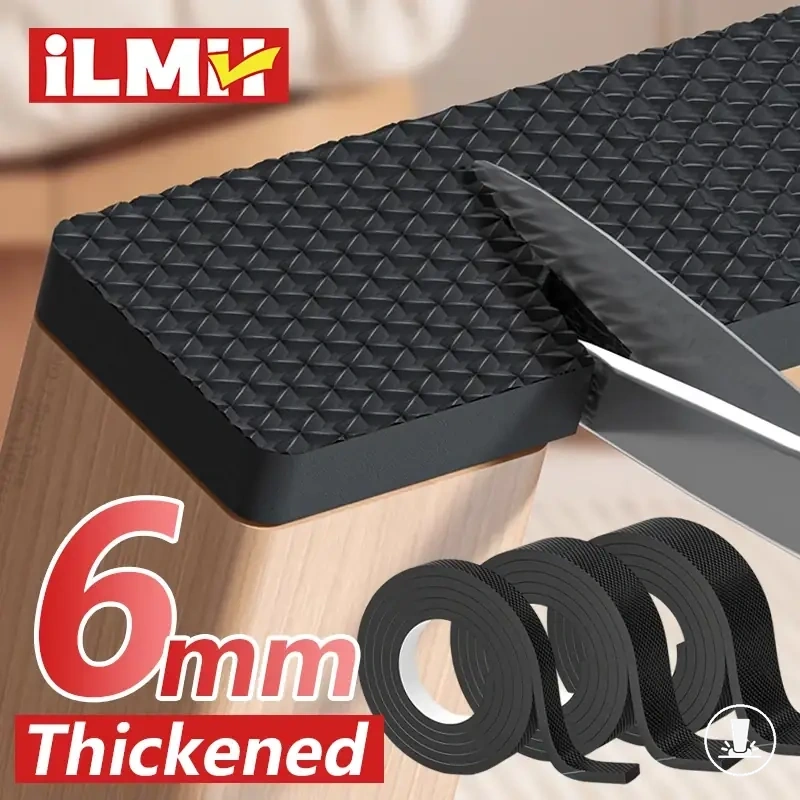
Dining chairs and frequently moved seats
Dining chairs and frequently moved seats depend on protector choices that can handle repeated movement while maintaining grip, quiet movement, and surface safety on tile. This use case places more stress on attachment, contact surfaces, and fit than furniture that rarely moves. The right match often depends on movement frequency, leg angle, tile condition, and how securely the protector stays attached during daily use.
Use the following checklist to evaluate fit and movement demands for this furniture type.
- Repeated movement: Higher movement frequency may increase wear and place more demand on protector stability.
- Leg angle: Angled chair legs can create uneven contact, which may affect grip, scraping control, and attachment performance.
- Cap fit: A closer fit may help the protector stay on during frequent chair movement when leg dimensions and shape align well.
- Bottom layer: The contact layer may influence quiet movement, scraping control, and movement behavior depending on tile condition and friction.
- Attachment security: Protectors that shift during use may provide less consistent contact and movement control.
The key decision is whether the protector can maintain stable contact during repeated chair movement. Dining chairs and frequently moved seats often place greater emphasis on cap fit and bottom-layer condition because movement frequency can affect staying on, noise reduction, and scraping control. Outcomes may vary with furniture type, tile condition, leg shape, and attachment stability.
Stationary sofas, tables, and heavier furniture
Stationary sofas, tables, and heavier furniture depend more on stability and contact-area control than on repeated-movement performance. For this use case, the protector decision is influenced by furniture type, weight, tile condition, and how pressure is distributed across the contact surface. Movement frequency is usually lower, so grip and surface safety often take priority, while quiet movement may be a secondary concern.
Use the following checklist to evaluate tile-floor suitability for stationary furniture.
- Weight: Higher weight may increase pressure on the contact surface and place greater demand on protector stability.
- Foot width: A wider contact area may help distribute pressure more evenly when furniture remains in one position.
- Contact area: Limited contact area can concentrate pressure and may affect grip, stability, or long-term contact consistency.
- Movement expectation: Furniture with low movement frequency may place more emphasis on stable contact than on movement-focused protector styles.
- Pad condition: Compression or flattening may become more noticeable when pressure remains concentrated on the same contact points over time.
The key decision is whether the protector can maintain stable contact under the expected pressure and tile condition. Stationary sofas, tables, and heavier furniture may require greater attention to grip, contact area, and stability because weight can influence pressure distribution and long-term contact behavior. Outcomes can vary with furniture type, foot width, movement frequency, and tile-floor conditions.
Common tile-floor problems from the wrong protector choice
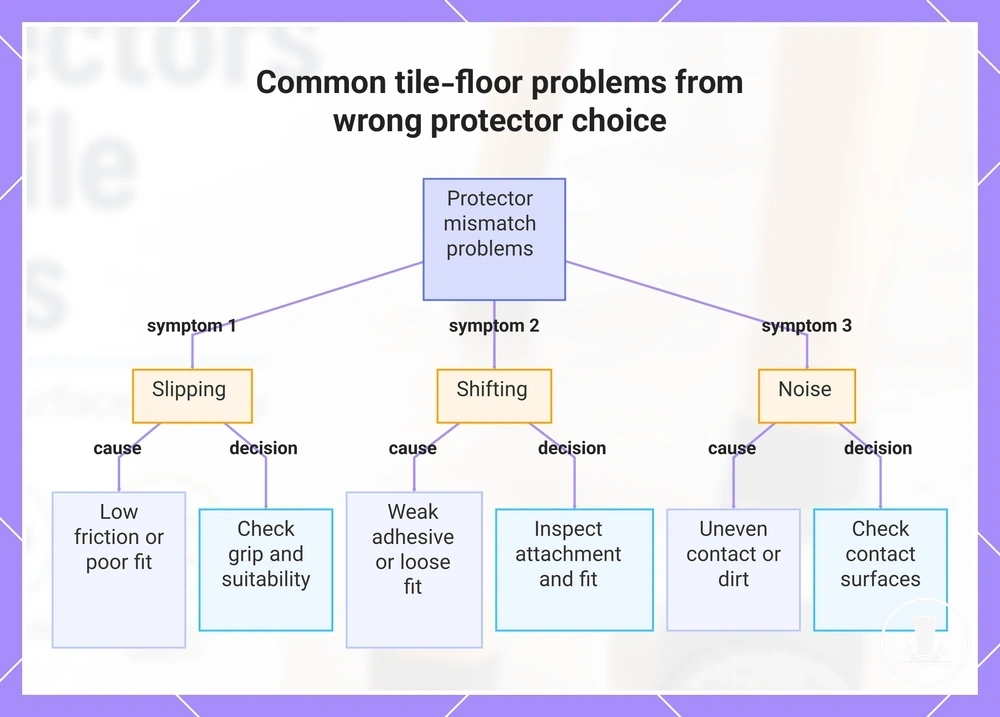
When slipping, shifting, or recurring noise happens, the likely cause may be a mismatch between the protector and the tile-floor conditions. Tile-floor problems often appear as movement, noise, shifting, marks, residue, or uneven wear rather than immediate protector failure. Diagnosing the symptom first can help identify whether the issue relates to grip, fit, adhesive performance, compression, or contact conditions.
Many tile-floor problems depend on how the protector responds to pressure, movement, dirt, and the contact surface. If adhesive attachment weakens, protectors may shift during use. If compression or flattening changes the contact layer, movement control and noise reduction may become less consistent. Residue, dirt, or moisture at a contact point can also contribute to marks, slipping, or reduced stability.
Use the following checklist to connect a symptom with a likely cause and a decision cue.
- Symptom: Slipping — Likely cause: low friction, poor fit, or reduced contact area. Decision cue: check grip requirements and protector suitability for the tile condition.
- Symptom: Shifting — Likely cause: weak adhesive attachment, loose fit, or movement-related stress. Decision cue: inspect attachment security and fit conditions.
- Symptom: Noise — Likely cause: uneven contact, dirt buildup, or compression changes. Decision cue: check contact surfaces and protector condition.
- Symptom: Marks — Likely cause: trapped dirt, residue, or inconsistent contact points. Decision cue: inspect cleanliness and contact-area coverage.
- Symptom: Flattening — Likely cause: repeated pressure or concentrated load. Decision cue: assess whether the contact area remains suitable for the furniture use case.
- Symptom: Residue — Likely cause: adhesive transfer, moisture, or accumulated debris. Decision cue: inspect the contact surface before considering replacement.
If the same symptom continues after basic checks, the problem may relate to the original protector selection rather than normal wear alone. Recurring noise and sliding problems may require revisiting selection criteria before choosing a replacement. Readers seeking broader noise and sliding protection guidance can compare grip, contact conditions, and movement requirements before selecting a different protector style.
This chart helps diagnose common tile-floor problems by showing which symptoms, causes, and decision cues to check when a protector mismatch is suspected.
Pads that flatten, shift, or lose grip
When flattening, shifting, or grip loss becomes a symptom, the likely cause may be compression, adhesive condition changes, contact dirt, or repeated movement on tile. Pads can respond differently depending on thickness, furniture weight, leg shape, and contact conditions. The problem often develops gradually rather than appearing as a single failure event.
Pads that flatten, shift, or lose grip should be evaluated by matching the symptom to the most likely use condition. The following diagnostic sequence can help identify the cause before considering replacement.
- Flattening: Compression may increase when pad thickness is reduced by repeated pressure. Check whether the contact layer still supports stable floor contact.
- Shifting: Adhesive condition may weaken when repeated movement places stress on the attachment point. Check whether movement frequency contributes to shifting.
- Grip loss: Dirt, residue, or moisture at the contact point may reduce friction. Check surface cleanliness before assuming pad failure.
- Slipping: Reduced grip may occur when compression, contact dirt, or changing contact conditions affect floor friction. Check both pad condition and tile condition.
- Marks or residue: Uneven contact, adhesive transfer, or accumulated dirt may contribute to visible surface marks. Check contact consistency and cleanliness.
The key decision is whether the symptom reflects temporary contact conditions or ongoing pad deterioration. If flattening, shifting, or grip loss continues after basic checks, replacement may be a reasonable cue, but the outcome can still depend on compression, adhesive condition, movement frequency, and tile-floor contact conditions.
Residue and surface marks around tile contact points
When residue or visible marks appear around a tile contact point, the likely cause may be material transfer, trapped dirt, moisture, pressure, or adhesive condition rather than the protector alone. Residue and surface marks can develop under certain use conditions, but that does not mean all protectors mark tile. The symptom often depends on contact-point conditions, furniture weight, cleaning frequency, and how pressure is distributed during use.
Residue and surface marks around tile contact points should be evaluated by checking the conditions surrounding the contact area before assuming replacement is necessary.
- Protector material: Certain contact conditions may contribute to visible marks when pressure and movement occur repeatedly at the same contact point.
- Trapped dirt: Dirt or grit may collect beneath the contact area and contribute to marks during repeated movement.
- Adhesive condition: Adhesive residue may appear when attachment condition changes or material transfer occurs at the contact point.
- Moisture: Moisture combined with dirt or residue may increase the need for cleaning under certain tile-floor conditions.
- Pressure: Concentrated pressure may make existing residue, marks, or contact-point changes more visible over time.
The key decision is whether the symptom relates to a temporary contact-point condition or an ongoing protector issue. If residue, marks, shifting, flattening, or slipping continue after checking dirt, moisture, adhesive condition, and contact pressure, replacement may be a reasonable cue, but the outcome can still depend on tile condition, cleaning frequency, and contact-point use conditions.