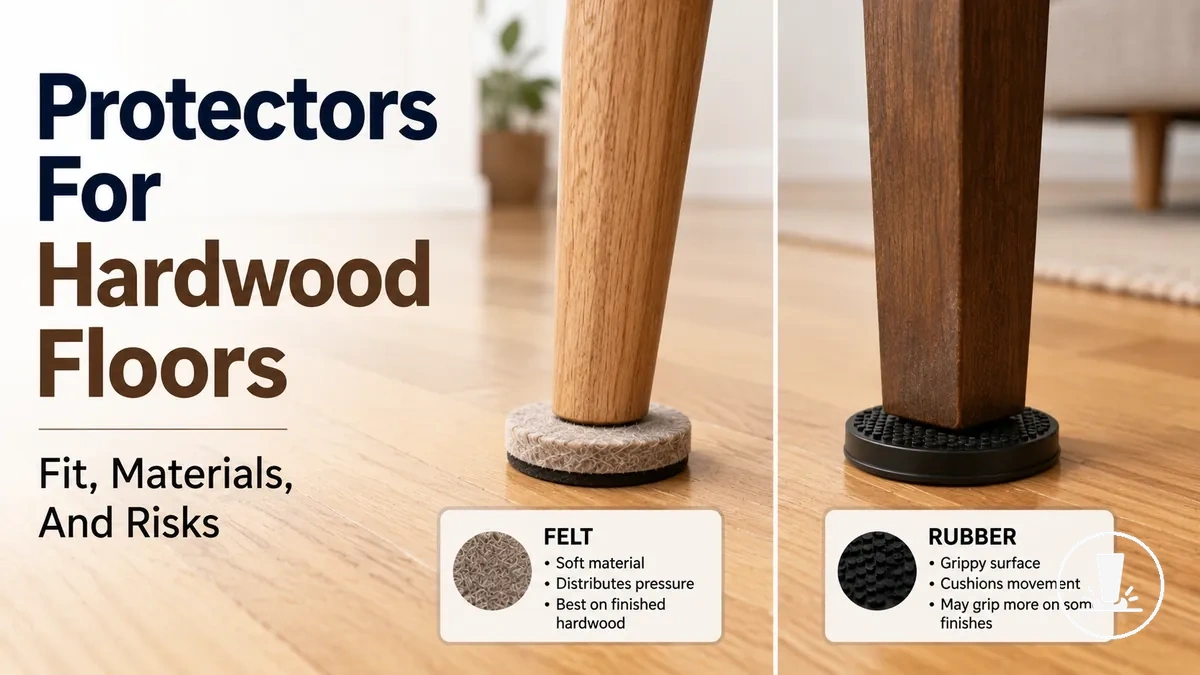
Furniture floor protectors for hardwood floors
Furniture floor protectors for hardwood floors depend on how the hardwood surface is used and what conditions exist at the point of contact. Suitable protection can vary because hardwood floors may respond differently to furniture movement, furniture weight, floor finish sensitivity, and the condition of the protector itself. The main decision variables are furniture legs, fit, contact material, movement, maintenance, and the condition of the floor finish.
Furniture floor protectors are contact layers placed between furniture legs and hardwood contact surfaces. Common examples include felt pads, rubber pads, chair leg protectors, glides, and other furniture pads designed to separate the furniture from direct floor contact. They can help reduce the risk of scratches, dents, and marks, but outcomes often depend on stable fit, clean contact surfaces, and ongoing maintenance rather than the protector alone.
Furniture floor protectors for hardwood floors are often used under dining chairs, tables, sofas, cabinets, and other furniture that creates repeated movement or sustained pressure. Hardwood compatibility can change when debris collects, when protectors wear over time, or when the contact material does not match the use case. Understanding these conditions provides the foundation for evaluating how furniture floor protectors work on hardwood floors.
How furniture floor protectors work on hardwood floors
Furniture floor protectors work on hardwood floors by creating a contact layer between furniture legs and the hardwood surface. This contact layer acts as a buffer layer that separates direct contact and helps distribute pressure across the protector surface rather than concentrating it on a smaller contact area. The mechanism is connected to hardwood finish protection because changes in contact pressure and movement can influence how the floor surface responds over time.
Pressure, movement, and surface material matter because hardwood floors interact with the protector surface each time furniture legs rest, shift, slide, or remain under load. A contact layer with different grip and glide characteristics can change how movement is transferred to the floor, while compatibility may also depend on the relationship between the floor-contact material and the hardwood finish. In this context, furniture floor protectors are products that create a controlled contact layer between furniture legs and hardwood floors.
How furniture floor protectors work on hardwood floors becomes easier to understand when the furniture leg, protector surface, and hardwood contact layer are viewed together. The diagram below clarifies how pressure moves through the contact layer and how a debris-free contact zone supports more consistent floor contact.
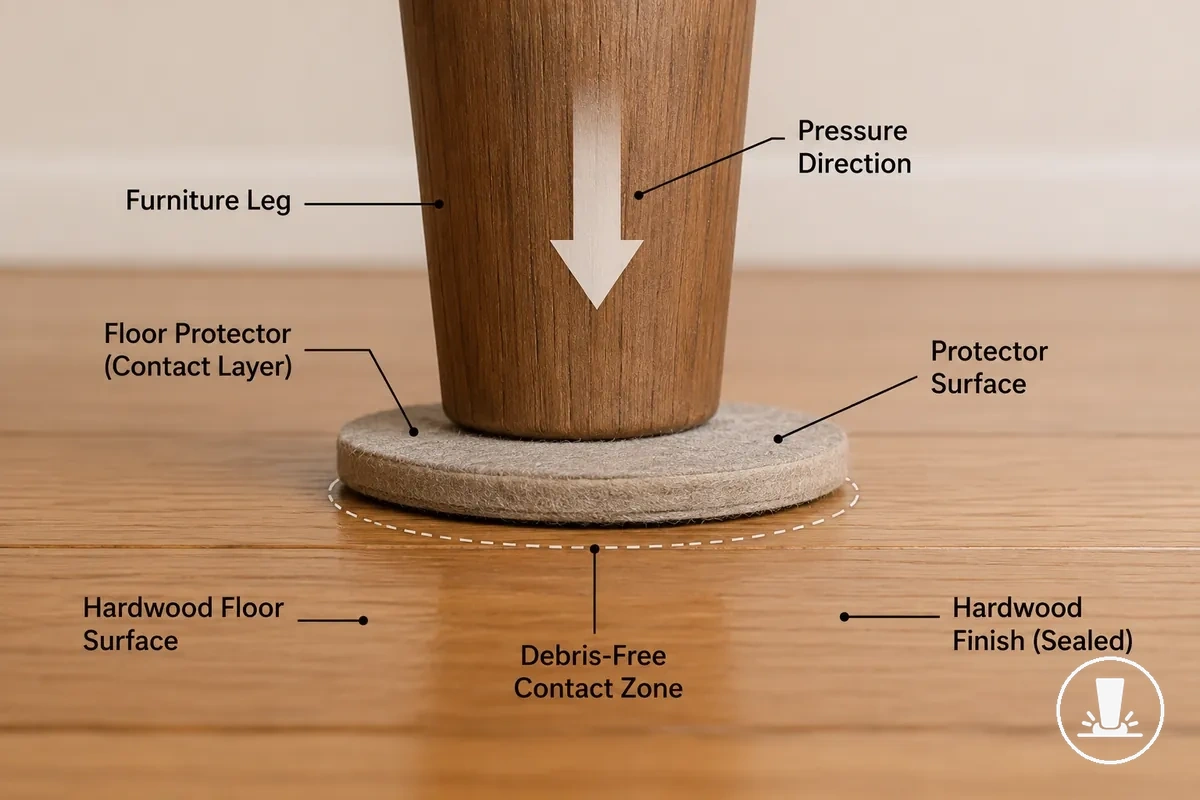
Debris and grit can increase the risk of scratches when movement occurs between the protector surface and the hardwood floor. Poor fit may reduce stability, and worn pads can change pressure distribution and contact conditions over time. Furniture floor protectors can reduce risk, but they cannot compensate for poor fit, trapped grit, worn pads, or incompatible contact surfaces.
Hardwood floor risks that affect protector choice
Hardwood floor risks determine protector choice because different forms of surface damage arise from different contact conditions. Choosing a protector based only on material can overlook how furniture weight, movement, pressure, debris, and floor finish sensitivity affect outcomes. The main risk categories are scratch risk, scuff risk, dent risk, finish marks, sliding, and dirt abrasion.
Scratch risk and dirt abrasion often become more relevant when grit or debris remains between furniture and the floor during movement. Repeated shifting can increase surface damage over time, especially when pressure is concentrated on a smaller contact area. Scuff risk may also vary with floor finish condition and movement patterns rather than protector material alone. Risk severity often depends on movement frequency, debris accumulation, and contact conditions.
Dining chairs typically create greater movement risk because they are moved frequently, while sofas and cabinets may place more emphasis on furniture weight and pressure. Furniture that is dragged across hardwood floors can combine sliding, scratches, and floor marks into a single risk scenario. The table below organizes hardwood floor risks that affect protector choice by trigger and decision cue.
Hardwood floor risks that affect protector choice differ by movement, pressure, debris, floor finish sensitivity, and furniture weight. The table groups each risk according to its common trigger and the protector factor that may deserve closer attention. For additional context, see prevent scratches and dents.
| Risk type | Common trigger | Protector factor | Safer decision cue |
|---|---|---|---|
| Scratch risk | Movement with debris | Surface wear | Maintain clean contact surfaces |
| Scuff risk | Repeated shifting | Glide characteristics | Match movement conditions |
| Dent risk | High furniture weight | Pressure distribution | Consider contact area |
| Finish marks | Finish sensitivity | Material compatibility | Check floor finish condition |
| Sliding | Low grip contact | Grip level | Match furniture stability needs |
| Dirt abrasion | Trapped grit | Maintenance condition | Inspect debris regularly |
Scratches, scuffs, dents, and finish marks
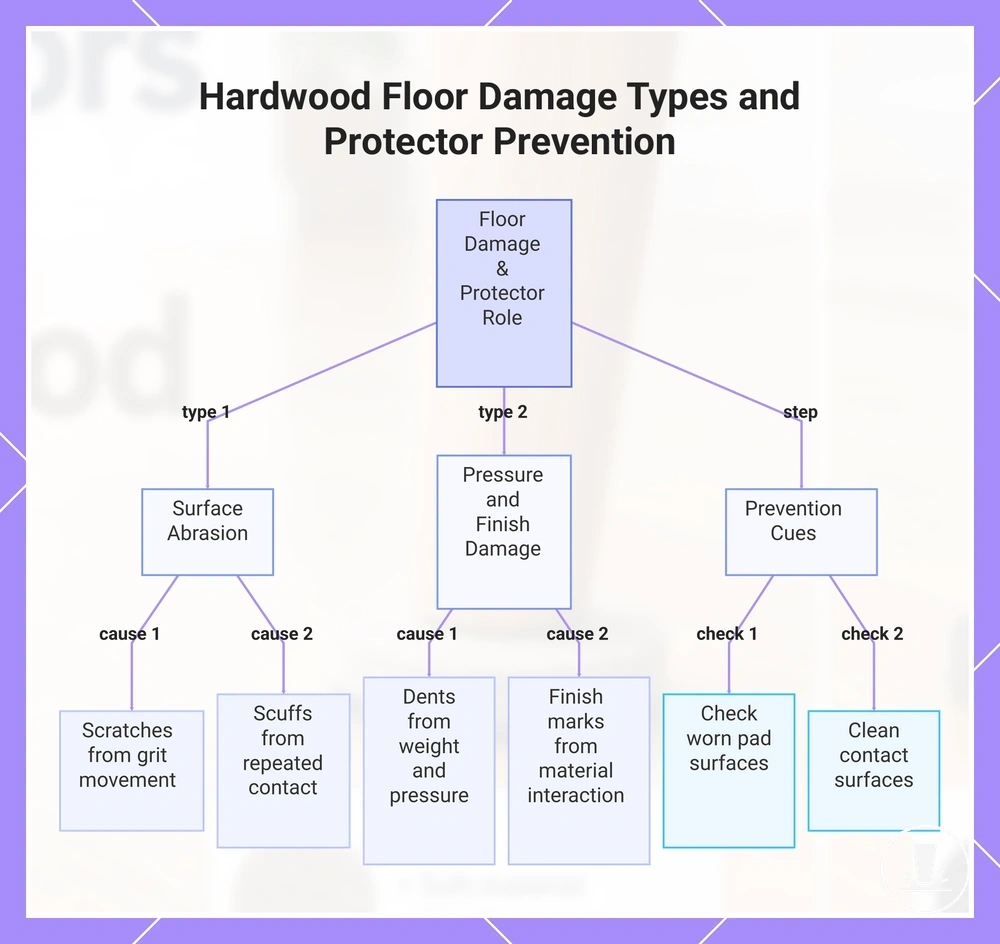
Scratches, scuffs, dents, and finish marks are different forms of hardwood floor damage with different causes and visual effects. Scratches and scuffs are surface abrasion issues, while dents result from pressure damage and finish marks affect the hardwood finish itself. Whether a protector reduces a specific damage type may depend on protector condition, movement, pressure, and debris.
Scratches often develop when grit or debris moves across the floor surface, while scuffs are commonly linked to repeated contact and movement. Dents are more closely associated with furniture weight, pressure, and contact area, and finish marks may occur when protector materials interact with a sensitive hardwood finish. A worn pad can increase exposure to debris or concentrated pressure, while a hard edge can create a higher risk of visible marks when the protective surface is no longer fully covering the contact point. For example, a felt pad that collects grit may contribute to scratches during movement, whereas a hard edge pressing into the hardwood finish may leave visible marks under sustained pressure.
A useful prevention cue is to check for worn pad surfaces before they expose harder contact points. Clean contact surfaces and well-maintained protectors can help reduce risk, but outcomes still depend on floor conditions, furniture use, and protector condition.
This chart shows the main types of hardwood floor damage, their causes, and key prevention cues related to protector condition.
Sliding, grit, and pressure under furniture legs
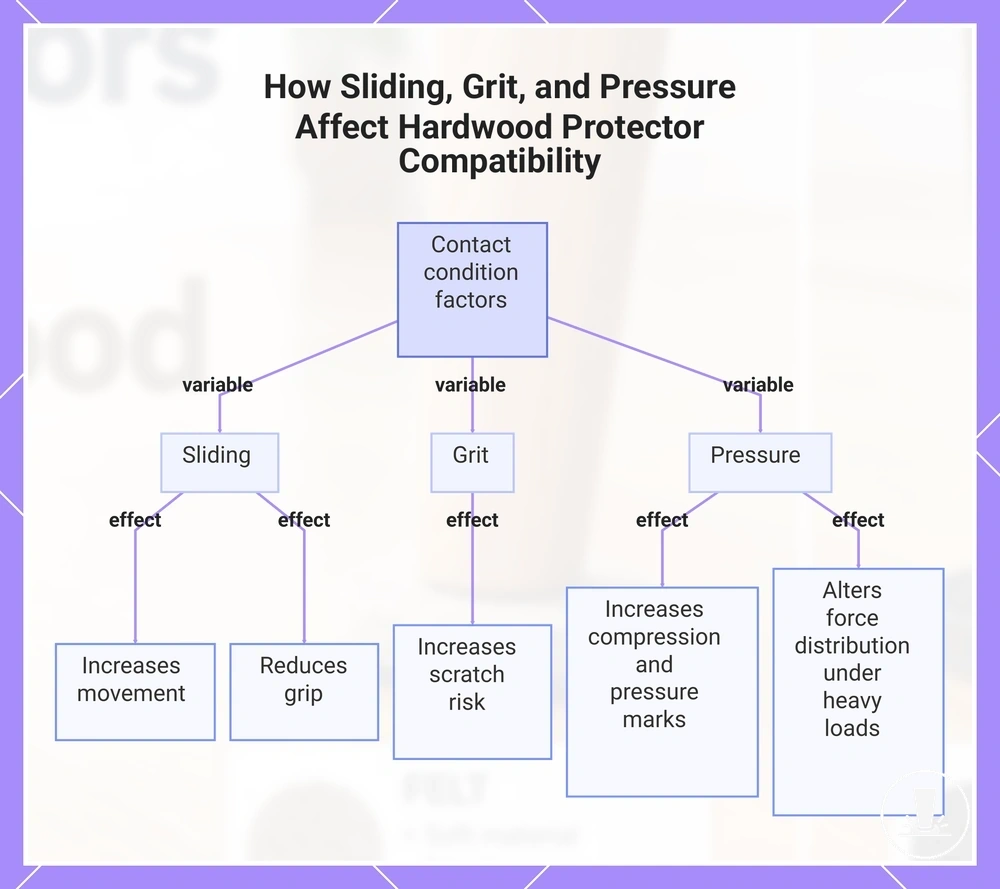
Sliding, grit, and pressure under furniture legs affect protector compatibility because they change the contact conditions between furniture and hardwood. Movement can alter surface friction, trapped debris can affect the protector surface, and concentrated pressure can increase compression at the contact point. The key variables are sliding, grit, and pressure.
Chairs often create more movement and shifting because furniture legs are repositioned frequently, while sofas and cabinets may place a greater load on a fixed contact area. These differences can change compression, surface friction, and protector wear over time. The same protector may behave differently under a chair, sofa, or cabinet depending on movement patterns, contact area, and pressure distribution.
Sliding, grit, and pressure under furniture legs influence hardwood contact conditions through the following cause-and-effect relationships:
- Sliding combined with lower surface friction can increase movement and reduce grip at the contact point.
- Grit or debris trapped on a protector surface can increase scratch risk when furniture legs shift across hardwood.
- Pressure concentrated on a smaller contact area can increase compression and contribute to pressure-related marks.
- Higher compression under heavier loads may change how force is distributed beneath furniture legs.
- Changes in surface friction can alter how furniture responds to movement, shifting, and contact with the hardwood surface.
This chart illustrates the three key contact variables—sliding, grit, and pressure—and their specific effects on hardwood contact conditions, directly influencing protector compatibility.
Protector materials for hardwood floor compatibility
Protector materials for hardwood floor compatibility depend on movement, grip, pressure, and finish sensitivity. Different materials can change glide behavior, compression, and finish contact under furniture legs. Material choice involves tradeoffs between movement control, contact stability, and marking risk.
Felt is a glide-oriented contact material commonly used where chair movement or frequent shifting occurs. Felt pads can reduce direct contact between furniture legs and hardwood while allowing smoother movement across the contact surface. Their performance may depend on debris control because grit can affect glide conditions.
Rubber and gripper surfaces are grip-oriented options that prioritize contact stability over glide. Higher grip can help limit unwanted movement, while marking risk and finish contact may depend on floor sensitivity and contact conditions. Additional evaluation criteria are discussed in safe furniture floor protector materials.
When leg fit, surface hardness, or attachment stability become concerns, silicone, plastic, glides, and adhesive backing introduce different compatibility limits. Silicone caps may depend on contact surface coverage, plastic glides may vary by hardness and edge smoothness, and adhesive backing may change as wear affects stability. The table below compares how these materials differ in glide, grip, compression, and finish-contact behavior.
| Material | Hardwood behavior | Main risk | Best-fit condition |
|---|---|---|---|
| Felt | Supports glide during movement | Debris accumulation | Frequent chair movement |
| Rubber | Provides higher grip | Potential marking risk | More static furniture |
| Silicone | Uses cap-style contact surface coverage | Fit-dependent contact conditions | Compatible leg coverage |
| Plastic | Creates a harder contact surface | Finish sensitivity | Controlled glide conditions |
| Glides | Prioritize movement across surfaces | Surface-specific wear conditions | Frequent repositioning |
| Adhesive-backed pads | Rely on attached contact surfaces | Wear-related stability changes | Stable attachment conditions |
Protector materials for hardwood floor compatibility can be compared visually by their contact surfaces, glide characteristics, grip levels, compression behavior, and finish-contact patterns.
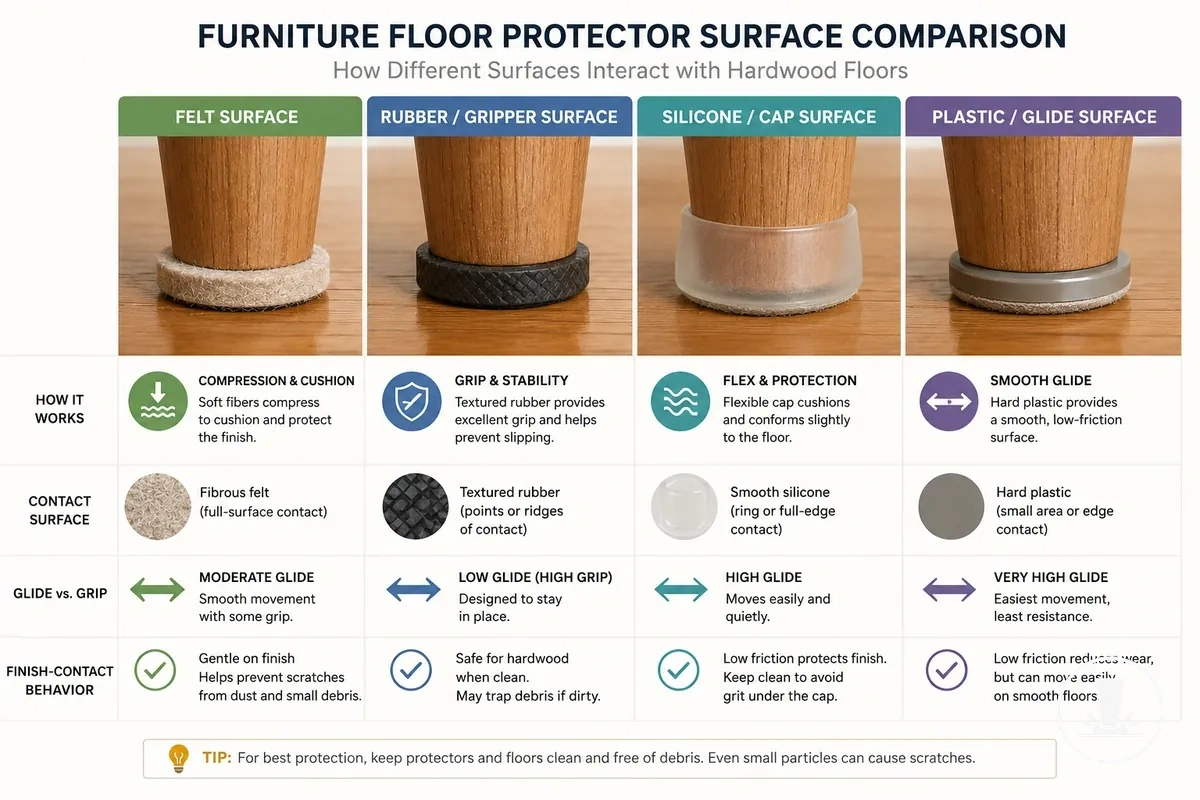
Material selection depends on hardwood conditions, furniture movement, contact pressure, and finish sensitivity rather than a single universal solution. For a focused contrast between the two most commonly compared options, see felt and rubber protectors compared.
Felt pads for chairs and movable furniture
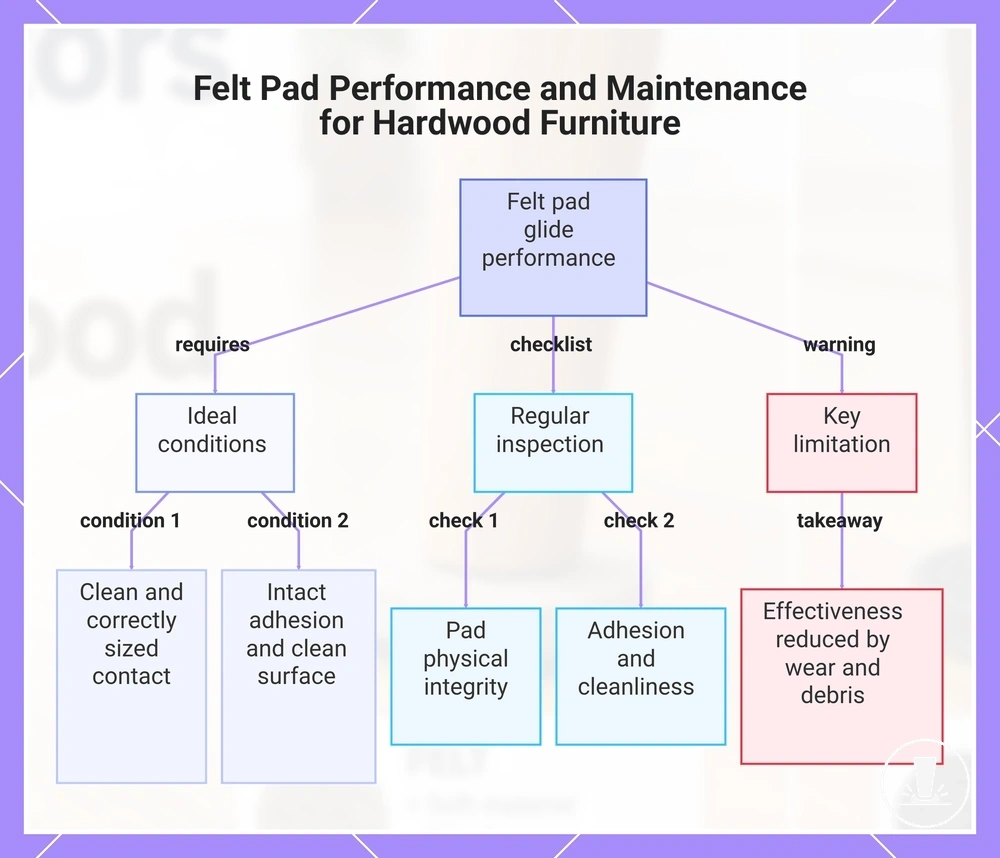
Felt pads usually fit chairs and movable furniture on hardwood when they are clean, correctly sized, and matched to the furniture-leg contact area. Felt pads support glide during movement by creating a softer contact surface between furniture legs and hardwood. Their performance depends on felt density, thickness, adhesion, debris control, and movement frequency.
Dining chairs and movable tables often create repeated movement across the same hardwood areas, making glide behavior and pad condition more important. Felt furniture pads can help maintain smoother movement when adhesive hold remains intact and the felt surface stays free of debris. Regular inspection for grit, pad wear, and loosening adhesion can help maintain consistent contact conditions.
Felt pads for chairs and movable furniture perform best when local contact conditions remain controlled:
- Check thickness because compression can change contact area and hardwood contact conditions.
- Check adhesion because repeated movement and wear can reduce attachment stability.
- Check cleanliness since debris or grit on the felt surface may affect glide and increase scratch risk.
- Check coverage so the felt pad continues to cover the furniture-leg contact point.
- Check for pad wear because worn felt can change glide behavior and contact quality over time.
Felt pads are not a universal solution for every movement condition. As debris accumulates or pad wear increases, glide behavior and hardwood compatibility may change.
This chart shows the conditions that help felt pads glide smoothly on hardwood and the key areas to inspect regularly.
Rubber and gripper pads for heavier or static furniture
Rubber pads and gripper pads may help heavier furniture and static furniture on hardwood when movement control is more important than glide. Their grip can help reduce unwanted shifting, while compression behavior may vary with furniture weight, contact area, and pad material. Hardwood compatibility depends on how the pad interacts with the hardwood finish and the floor's finish sensitivity.
When sliding becomes a concern, rubber furniture pads and grippers can provide more movement control than glide-oriented materials. Color transfer risk, rubber hardness, and pressure distribution can influence how the contact surface behaves under static load. Rubber is generally more appropriate for hardwood when non-marking material quality and adequate contact area help limit hardwood finish concerns.
Rubber and gripper pads for heavier or static furniture involve both benefits and limits:
- Grip benefit: Rubber pads can help reduce unwanted movement under static furniture and heavier furniture.
- Marking risk: Color transfer and hardwood finish sensitivity may become concerns when material quality or contact conditions are unsuitable.
- Compression factor: Compression can change how pressure distribution occurs beneath furniture legs over time.
- Contact-area requirement: Adequate contact area helps distribute load more evenly and may improve pad stability.
Silicone, plastic, glides, and surface-contact limits
Silicone, plastic, and glide-style protectors are non-felt contact surfaces that interact with hardwood through different combinations of grip, movement control, and contact coverage. Silicone caps rely on cap coverage around the furniture leg, while plastic glides and glide surfaces depend more on surface hardness and contact behavior during furniture movement. Their hardwood compatibility often depends on surface hardness, cap coverage, and edge behavior.
When furniture movement, leg shape, or finish sensitivity create contact challenges, these non-felt options may help under specific conditions. Contact limits can appear when cap coverage does not match the furniture leg or when surface hardness and edge smoothness are not suited to the contact surface. For example, hard plastic or rough contact edges may increase hardwood finish concerns on finished wood during movement, particularly where finish sensitivity is higher.
Silicone, plastic, glides, and surface-contact limits can be compared through their contact attributes and hardwood limitations:
- Silicone caps: Cap coverage may help maintain contact stability, but performance depends on leg fit and contact surface coverage.
- Plastic glides: Surface hardness can influence contact behavior, and harder materials may require additional attention to finish sensitivity.
- Glides: Glide surfaces support furniture movement, but edge smoothness can affect friction and hardwood contact conditions.
- Surface-contact limits: Rough contact edges or unsuitable surface hardness may increase finish-contact concerns under repeated movement.
Fit factors for furniture legs on hardwood floors
Protector fit controls whether the protector stays between furniture legs and the hardwood surface during normal use. A protector that matches the furniture leg more closely can help maintain stability, coverage, and consistent floor contact, while a poor match may increase movement-related risks. Key fit variables include leg shape, pad diameter, thickness, coverage, adhesion, compression, and contact area.
Leg shape refers to the geometry of furniture legs or furniture feet, while pad diameter and pad size determine how much of the contact area is covered. Thickness influences how the protector responds to pressure and compression under load. When pad coverage does not align with the contact area, stability can decrease and hardwood contact risks may increase through greater pressure concentration or exposed contact points.
When protectors loosen, compress unevenly, or shift during movement, adhesion and attachment fit are often the first areas to inspect. Compression can change how weight is distributed across the contact area, and edge exposure can occur when the protector no longer covers the full furniture-leg base. Poor fit may increase the likelihood of sliding, falling off, or exposing harder contact points to the hardwood surface.
Fit factors for furniture legs on hardwood floors can be evaluated through visible contact checks that focus on coverage, stability, and contact safety. The checklist below helps identify conditions that may increase scratch, sliding, or edge-exposure risk.
Use the following fit factors for furniture legs on hardwood floors to verify the labeled conditions shown in the annotated example. The image highlights leg shape, protector coverage, thickness, compression, and contact area boundaries that influence hardwood contact safety.
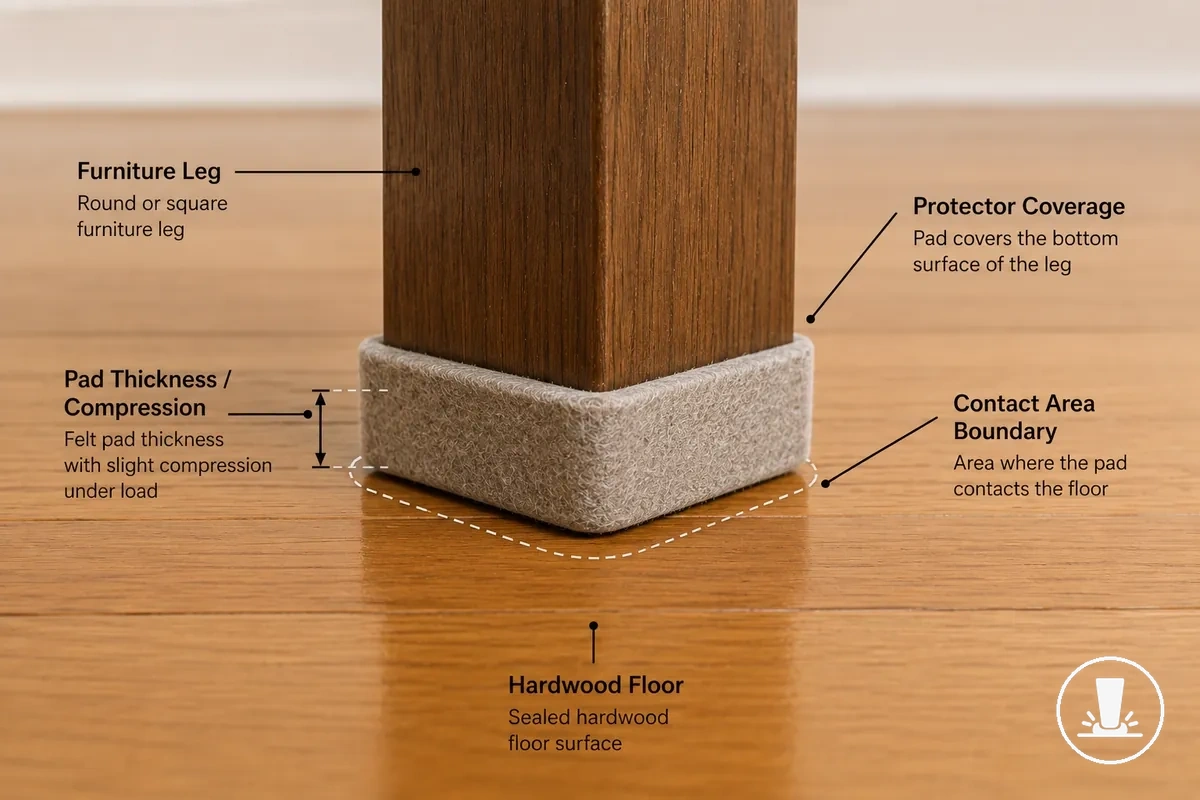
- Check leg shape to confirm the protector follows the furniture-leg contact surface.
- Check contact area to ensure protector coverage reaches the full floor-contact boundary.
- Check pad diameter to verify the protector is not noticeably smaller than the furniture-leg base.
- Check thickness to see whether compression under leg weight changes floor-contact conditions.
- Check adhesion or attachment fit for signs of movement, loosening, or falling off.
- Check for edge exposure where uncovered contact points may reach the hardwood surface.
Leg shape, contact area, and pad thickness
Leg shape, contact area, and pad thickness affect how stable a protector remains on hardwood and how pressure is distributed beneath furniture legs. Round legs, square legs, angled legs, narrow legs, wide furniture feet, and uneven legs create different contact conditions that can influence stability. These differences are closely connected to coverage and pressure spread.
Narrow chair legs often concentrate pressure on a smaller contact area, while wider sofa feet distribute load across a broader surface. A small chair-leg pad may provide less coverage during movement, whereas a wide sofa-foot pad may depend more on maintaining consistent contact across the full surface. As a sizing cue, pad size and coverage should remain aligned with the visible contact area of the furniture leg or furniture foot.
Leg shape, contact area, and pad thickness can be checked through the following visible fit factors:
- Round legs may benefit from coverage that follows the contact surface to support stability on hardwood.
- Square legs can create edge-focused pressure when coverage does not reach the full contact area.
- Angled legs or uneven legs may place pressure unevenly across the protector, which can affect compression patterns.
- Narrow legs with a small pad may have less pressure spread and can be more sensitive to movement-related contact risks.
- Wide furniture feet may distribute static load more broadly, but coverage should still match the contact area to maintain support.
Pad thickness can influence how compression changes floor contact over time. When compression becomes uneven, stability and pressure spread may change, particularly where coverage is already limited.
Adhesive, slip-on, screw-on, and fixed protector stability
Attachment method depends on how consistently the protector stays in place, because retention affects whether the contact surface remains between furniture and hardwood. Adhesive, slip-on, screw-on, and fixed protector designs differ mainly in stability and retention rather than hardwood safety by themselves. Stronger attachment is not automatically safer when the contact surface is too hard, dirty, or poorly sized.
When retention becomes inconsistent, adhesive wear or an unsuitable slip-on fit is often a contributing factor. Self-adhesive pads may become less stable as wear and movement affect attachment, while slip-on chair leg caps depend on leg fit to maintain retention. These outcomes can vary with furniture movement and leg material.
Screw-on protectors and fixed protector designs are attachment methods intended to keep the contact surface positioned more consistently. Retention may remain higher in some situations, but hardwood compatibility still depends on contact-surface condition, material, and fit.
Adhesive, slip-on, screw-on, and fixed protector stability can be compared through retention and hardwood-contact behavior:
| Option | Stability factor | Hardwood caution | Best local use |
|---|---|---|---|
| Adhesive | Depends on wear resistance | Reduced retention may expose contact points | Moderate furniture movement |
| Slip-on | Depends on leg fit | Poor fit may affect coverage | Chair legs with compatible geometry |
| Screw-on | May provide more consistent retention | Contact surface condition still matters | Furniture requiring stable positioning |
| Fixed protector | Maintains contact-surface placement | Hard or worn surfaces may affect hardwood | More static furniture use |
Choosing hardwood floor protectors by furniture use
Furniture use determines protector priorities because movement, weight, and contact patterns can change hardwood risk. The same hardwood floor may benefit from different protector styles when furniture behavior differs across the room. Choosing hardwood floor protectors by furniture use depends on balancing glide, grip, thickness, and stability.
When movable furniture such as chairs and tables shifts frequently, protector priorities often move toward controlled glide and consistent contact. Chairs may create repeated movement across the same hardwood areas, while tables may combine movement with changing pressure points. Protector selection depends on the movement pattern and resulting hardwood risk.
When sofas, beds, cabinets, and other static furniture remain in place for longer periods, protector priorities often shift toward contact-area support, grip, thickness, and stability. Static furniture can create different hardwood risk patterns than movable furniture because weight remains concentrated in the same location. For more detail on this use case, see floor protectors for heavy furniture.
Choosing hardwood floor protectors by furniture use becomes easier when furniture behavior is matched to hardwood risk. The decision table below connects furniture type, protector priority, and selection logic without relying on a single protector style for every use case.
| Furniture use | Main hardwood risk | Protector priority | Decision cue |
|---|---|---|---|
| Chairs | Repeated movement and surface abrasion | Glide and retention | Prioritize smoother movement when chairs shift frequently |
| Tables | Movement and changing pressure points | Stability and contact coverage | Match protector style to movement frequency and leg design |
| Sofas | Weight concentration and pressure | Contact area and thickness | Consider support across a broader contact surface |
| Beds | Static load and compression | Stability and pressure distribution | Focus on consistent contact under stationary furniture |
| Cabinets | Static load and limited repositioning | Grip and stability | Choose support based on contact conditions and load |
| Heavy static pieces | Pressure-related hardwood risk | Thickness, contact area, and stability | Match protector style to weight distribution and furniture behavior |
Chairs, tables, sofas, beds, and cabinets
Furniture type affects protector selection because movement, weight, leg count, and contact area create different hardwood contact patterns. Chairs and tables often experience more movement, while sofas, beds, and cabinets may place more emphasis on stability, pressure distribution, and support. These differences are most noticeable across chairs, tables, sofas, beds, and cabinets.
Chairs usually need different protector behavior than cabinets because chair movement can increase glide demands and pad wear, while cabinets often remain under a more static load. Protector priorities depend on movement, weight, contact area, and stability rather than furniture category alone, making furniture behavior the key decision cue.
Chairs, tables, sofas, beds, and cabinets can be matched to local hardwood needs through their contact patterns:
- Chairs: Frequent movement may increase glide demands and pad wear, so protector priority often focuses on controlled movement and consistent contact.
- Tables: Load distribution can vary by leg count and contact area, so protector priority often focuses on balanced support across furniture feet.
- Sofas: Greater weight may increase pressure at contact points, so protector priority often shifts toward stability and contact-area support.
- Beds: Static weight and limited movement can make stability and even contact more important than glide.
- Cabinets: Static load may increase pressure in fixed locations, so protector priority often focuses on support, contact-area coverage, and reducing floor-mark risks.
Furniture that moves often versus furniture that stays still
Furniture that moves often versus furniture that stays still depends on movement frequency because movement changes the preferred balance between glide and grip on hardwood. Movable furniture may place more emphasis on friction management, pad wear, and cleaning exposure from debris, while static furniture may place more emphasis on pressure distribution, stability, and mark risk. The primary selection split is usually glide versus grip.
A common misconception is that the same protector surface works equally well for every furniture behavior. In practice, movement frequency, friction, pressure, pad wear, and hardwood conditions can change which protector priority is more appropriate. Glide-friendly protection and anti-slip protection can conflict when the wrong surface is used.
Furniture that moves often versus furniture that stays still can be compared through protector priorities:
| Furniture behavior | Protector priority |
|---|---|
| Moves often | May benefit from controlled glide to manage movement frequency, friction, pad wear, cleaning exposure, and hardwood contact during repositioning. |
| Stays still | May benefit from grip and stability to help manage pressure, contact-area loading, and mark risk under more stationary conditions. |
Heavy furniture on hardwood floors
Heavy furniture on hardwood floors depends on pressure, compression, and stability because greater furniture weight can increase force at each floor contact point. Heavy furniture may require wider contact support and stable materials to help distribute static load more evenly across the hardwood surface. Compatibility often depends on maintaining sufficient contact area.
Dent risk, sliding risk, and long-term marks can become more relevant when foot width is small relative to furniture weight or when pad compression changes the contact surface over time. A wider foot width and appropriate contact area may help spread pressure, while excessive compression can reduce stability and change how the load reaches the hardwood. Heavy-duty pads do not always mean hardwood-safe unless material, size, and finish contact are compatible.
For heavy furniture on hardwood floors, check the following compatibility factors:
- Check whether the contact area is large enough to help spread pressure.
- Check pad compression because changing thickness may affect stability under static load.
- Check foot width relative to pad size to help reduce localized dent risk.
- Check for long-term marks where pressure remains concentrated in one location.
- Check finish-contact conditions because material compatibility may affect hardwood surfaces differently.
Non-scratch and non-marking protector checks
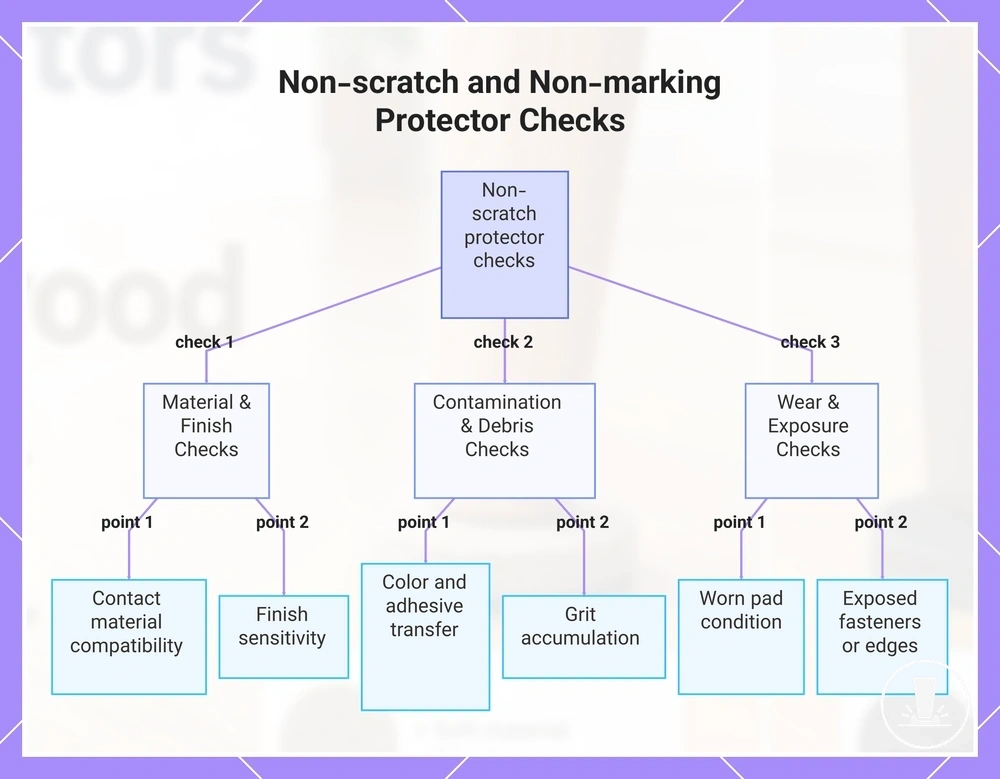
Non-scratch and non-marking performance depends on real-use conditions rather than a product claim alone. A protector may help reduce scratch reduction and marking risk when its contact material remains compatible with the hardwood finish and when wear, debris, and edge exposure are controlled. Verification should focus on contact material, finish sensitivity, cleanliness, edge exposure, and wear.
Material transfer, grit, adhesive residue, exposed fasteners, and worn pads can change how a protector interacts with hardwood over time. Color transfer may create marks under certain conditions, while grit trapped beneath a protector can increase scratch risk during movement. Adhesive residue may affect floor appearance, and exposed fasteners or edge exposure can increase direct contact risk. The likelihood of scratches or marks depends on these conditions rather than on a non-scratch claim alone.
Non-scratch and non-marking protector checks help verify whether a protector remains suitable under real use conditions for both moving furniture and static furniture:
- Check the contact material for compatibility with hardwood finish sensitivity.
- Check for color transfer or other material transfer that may create marking risk.
- Check for adhesive residue that may affect the floor finish or cleaning results.
- Check for grit accumulation because trapped debris may increase scratch risk during movement.
- Check for exposed fasteners or edge exposure that may contact the hardwood surface.
- Check worn pads for thinning, compression, or reduced floor coverage.
- Check finish sensitivity because the same protector may behave differently on different hardwood finishes.
Non-scratch and non-marking performance is more reliable when the checklist conditions remain acceptable during use. A floor-safe or mark-resistant result depends on ongoing compatibility, cleanliness, and wear inspection.
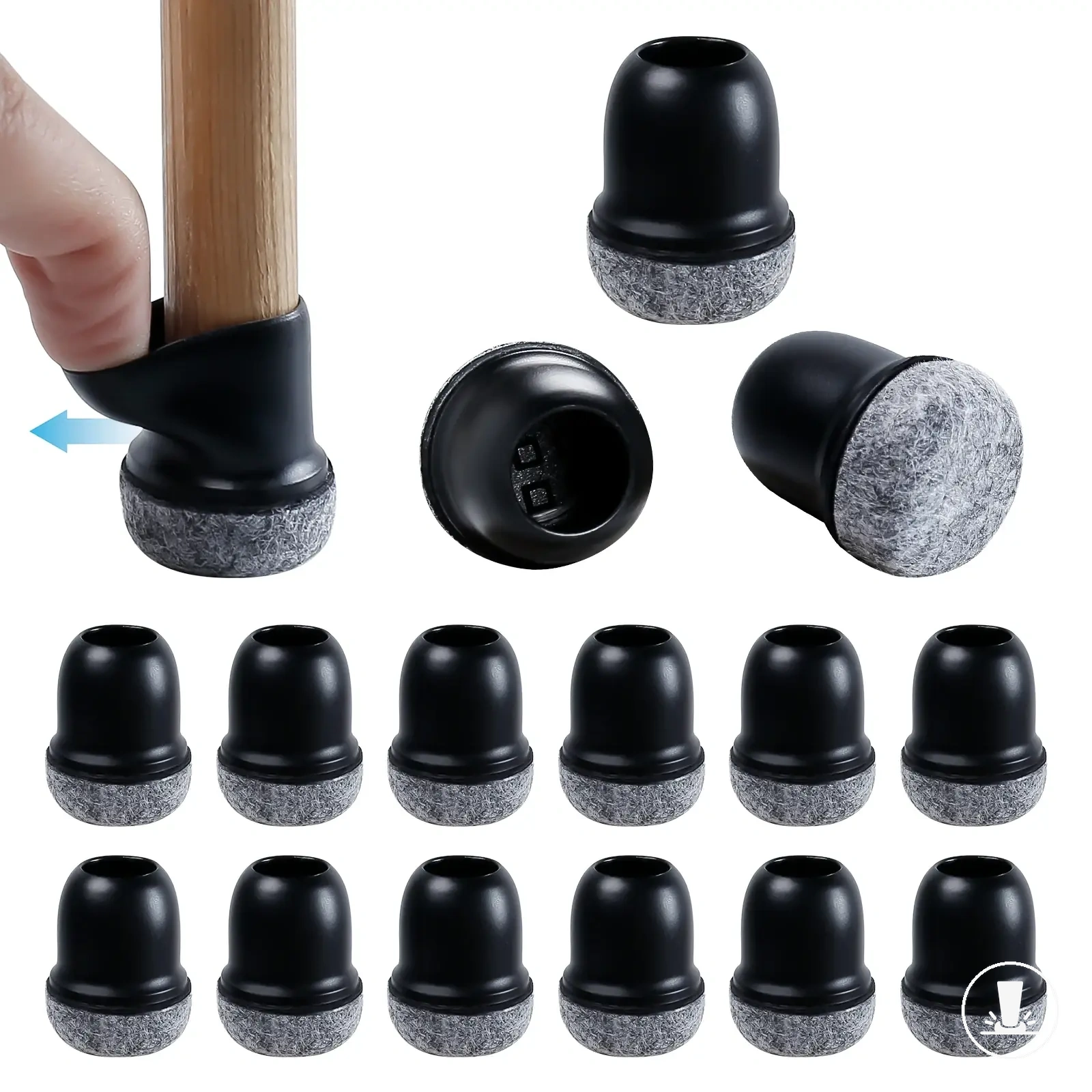
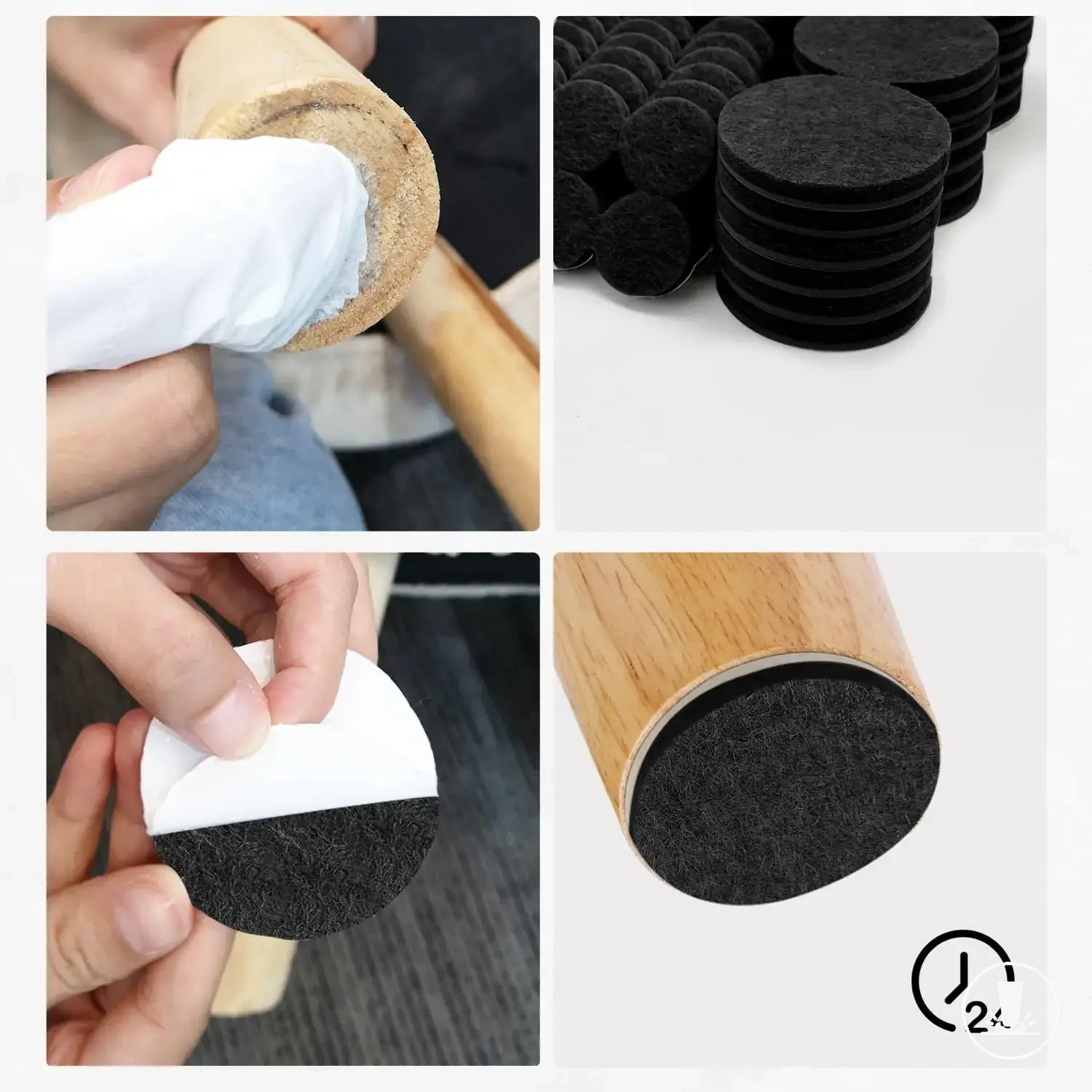
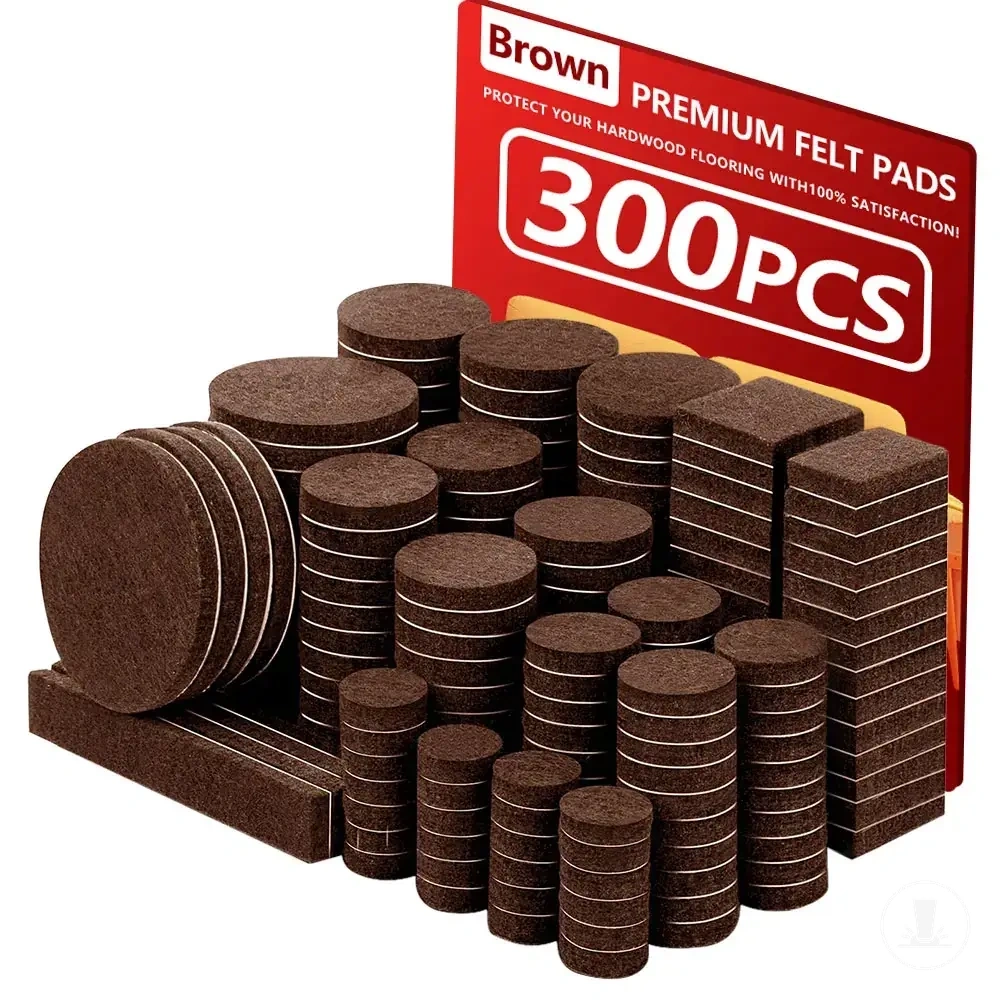
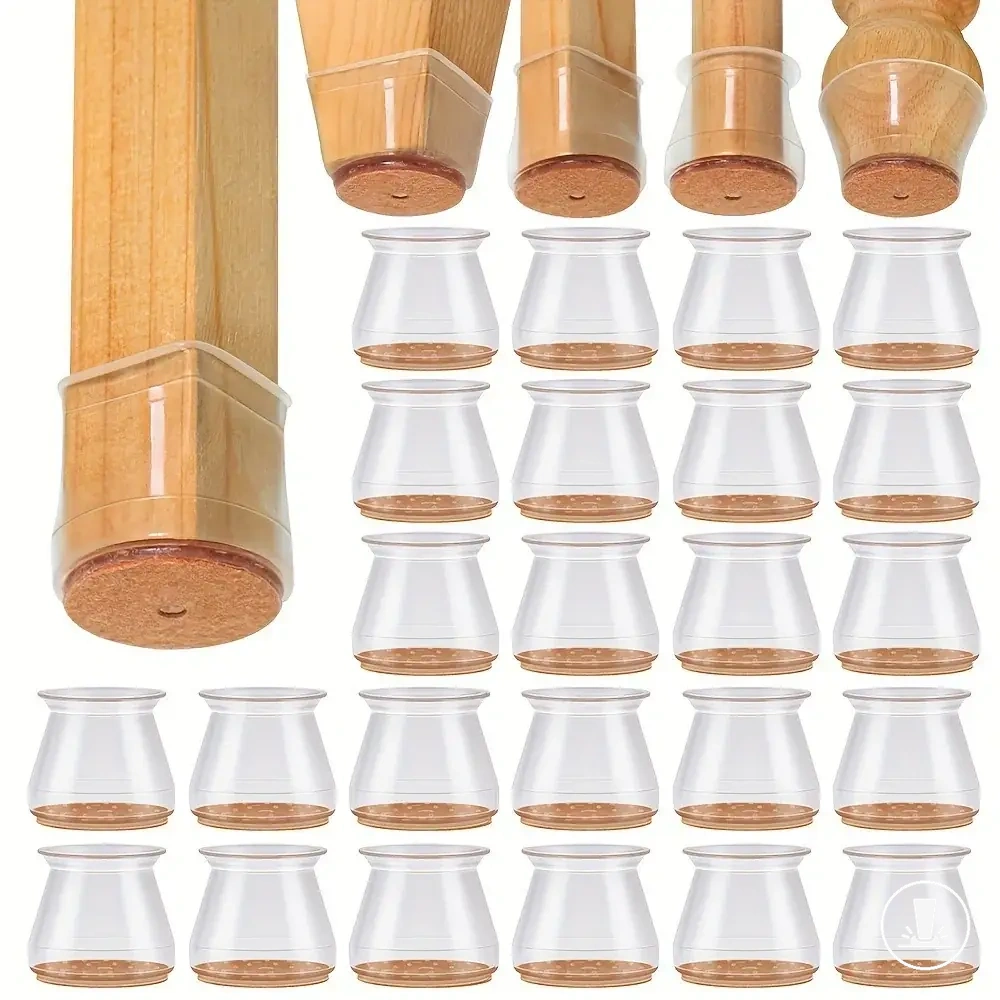
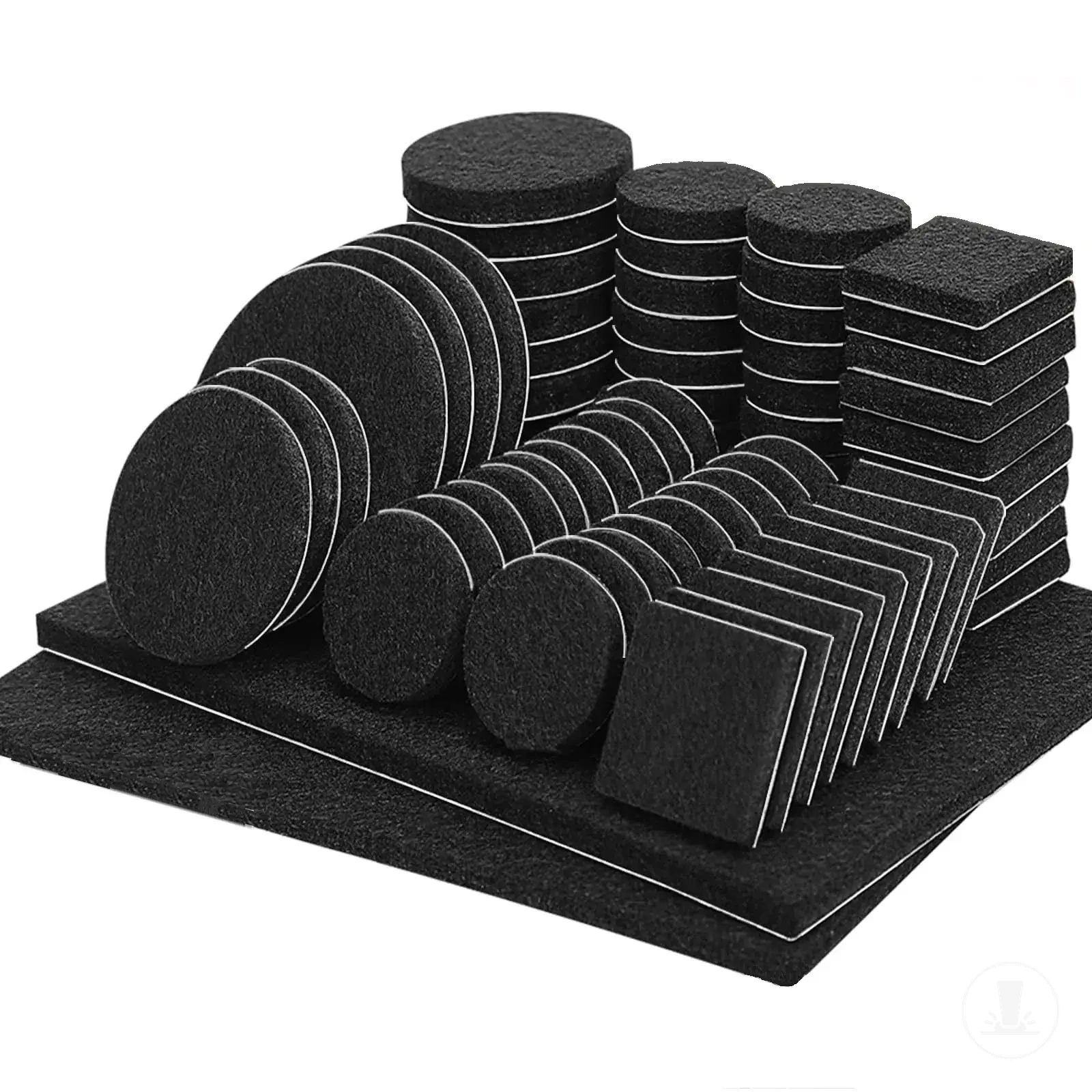
Here are product examples that may make comparison easier. Before buying, always review the compatibility criteria, essential features, and product details.
This chart shows the key checks to verify whether a non-scratch protector remains suitable under real-use conditions for hardwood floors.
Material transfer, color marks, and finish sensitivity
Material transfer, color marks, and finish sensitivity can create hardwood floor marks when a protector material interacts with the hardwood finish. Marks may come from material transfer, trapped dirt, adhesive residue, or finish interaction rather than from furniture weight alone. The likelihood of visible marks depends on the contact condition and hardwood finish sensitivity.
Rubber may contribute to color marks when color transfer occurs under prolonged pressure or extended contact with a hardwood finish. Adhesive residue, moisture, and cleaning chemicals can influence finish interaction and may increase mark risk under certain conditions. Material transfer, color marks, and finish sensitivity can be checked through the following local risk signals:
- Rubber contact may increase color mark risk when finish sensitivity and prolonged pressure are present.
- Adhesive residue may leave marks when residue remains on the hardwood finish.
- Moisture can increase finish-interaction risk when trapped beneath a protector.
- Cleaning chemicals may affect finish appearance when residue remains near the contact area.
- Prolonged pressure under static furniture may increase material transfer risk.
- Trapped dirt can contribute to floor marks when movement or pressure keeps particles against the hardwood finish.
A brief inspection cue is to check contact areas after initial use, especially under static furniture. Dark rubber, low-quality pads, or recently finished hardwood may require closer observation for early transfer marks or finish interaction.
Debris buildup, worn pads, and exposed edges
Debris buildup, worn pads, and exposed edges can change how a protector contacts hardwood and may increase floor-contact risk over time. A protector that initially provides a safer contact surface can behave differently when grit accumulates, materials wear down, or protective coverage becomes reduced. Visible condition checks should focus on debris buildup, wear, and exposed edges.
Chair legs that move often can show these conditions sooner because repeated movement may increase contact-surface wear and shift grit across the floor-contact area. A loose pad, worn contact surface, or pad displacement can change how chair legs interact with hardwood. A practical inspection cue is to check frequently moved chair legs for visible wear, debris buildup, or shifting before contact conditions worsen.
Debris buildup, worn pads, and exposed edges can be inspected through the following visible conditions:
- Grit or debris buildup on the contact surface may increase scratch risk during movement.
- Flattened felt can indicate worn pads and may reduce contact-surface cushioning.
- Peeled adhesive can allow pad displacement and may expose harder contact areas to hardwood.
- Cracked caps can expose underlying surfaces that may change floor-contact behavior.
- Exposed nail or screw edges are visible warning signs that may increase hardwood-contact risk.
- Pad displacement can leave part of the furniture leg uncovered and may increase localized contact pressure.
Use and maintenance conditions that keep hardwood protected
Maintenance preserves protector performance only when the protector is already compatible with the furniture and hardwood surface. Ongoing upkeep can help maintain consistent floor contact, but maintenance does not correct an incompatible material or poor fit. Protector performance depends on keeping the clean contact surface attached and unworn.
Cleaning frequency depends on how quickly debris accumulates around the floor-contact surface and furniture legs. Dirt and grit can increase scratch risk when they remain on a clean contact surface without regular inspection. Pad inspection helps identify wear, pad displacement, or loosening before protector performance changes. Visible wear, thinning, or reduced coverage are common replacement cues.
When furniture movement is frequent, protector condition may change more quickly because repeated motion can increase wear and shift debris across the floor-contact surface. Dragged furniture can increase contact stress and may raise the likelihood of marks when protectors are loose, displaced, or worn. Maintenance decisions should account for floor finish sensitivity.
Use and maintenance conditions that keep hardwood protected focus on preserving already-compatible protector performance. Practical upkeep decisions depend on cleaning, inspection, attachment, wear, movement conditions, and replacement cues.
Here are product examples that may make comparison easier. Before buying, always review the compatibility criteria, essential features, and product details.
- Check the clean contact surface for debris that may increase scratch risk.
- Perform pad inspection when protectors show visible wear, thinning, or compression.
- Confirm protectors remain attached and have not shifted through pad displacement.
- Monitor unworn contact areas because excessive wear may reduce protector performance on hardwood.
- Avoid dragged furniture when possible because movement under load may increase marking risk.
- Use replacement cues such as cracking, reduced coverage, or a worn protector that no longer maintains consistent contact.
- Consider floor finish sensitivity when evaluating wear, debris, and floor-contact surface condition.
This chart shows the key conditions and actions for maintaining hardwood protectors, including compatibility prerequisites, routine checks, and preventive measures.